 ThermalNote
Homes & heat loss
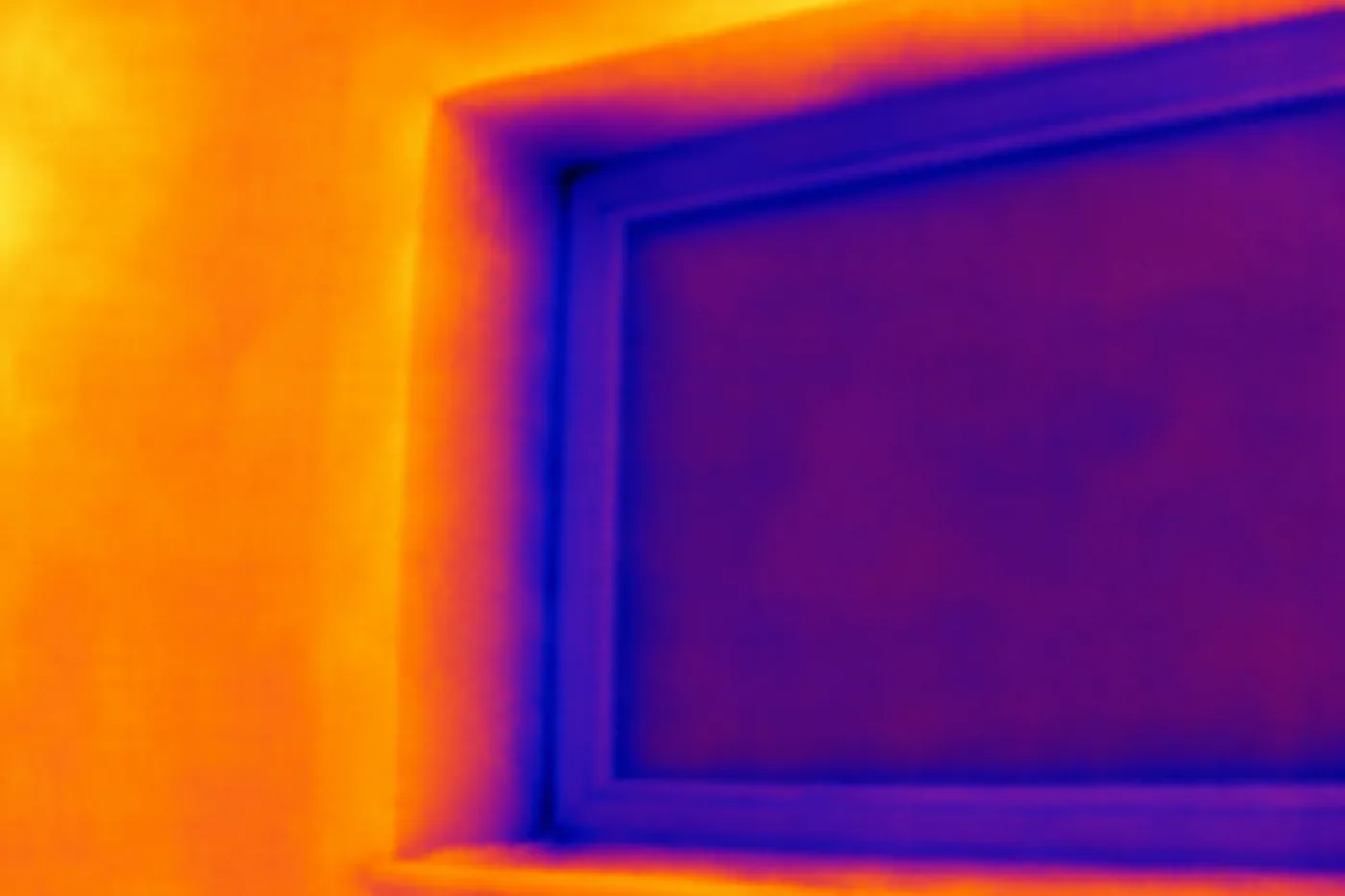
Is that cold patch damp, a draught or a thermal bridge?
A thermal image shows a surface-temperature pattern. Finding its cause takes a second kind of evidence.
Guides saved in this browser.
Save a guide using its bookmark button.
Explore field guides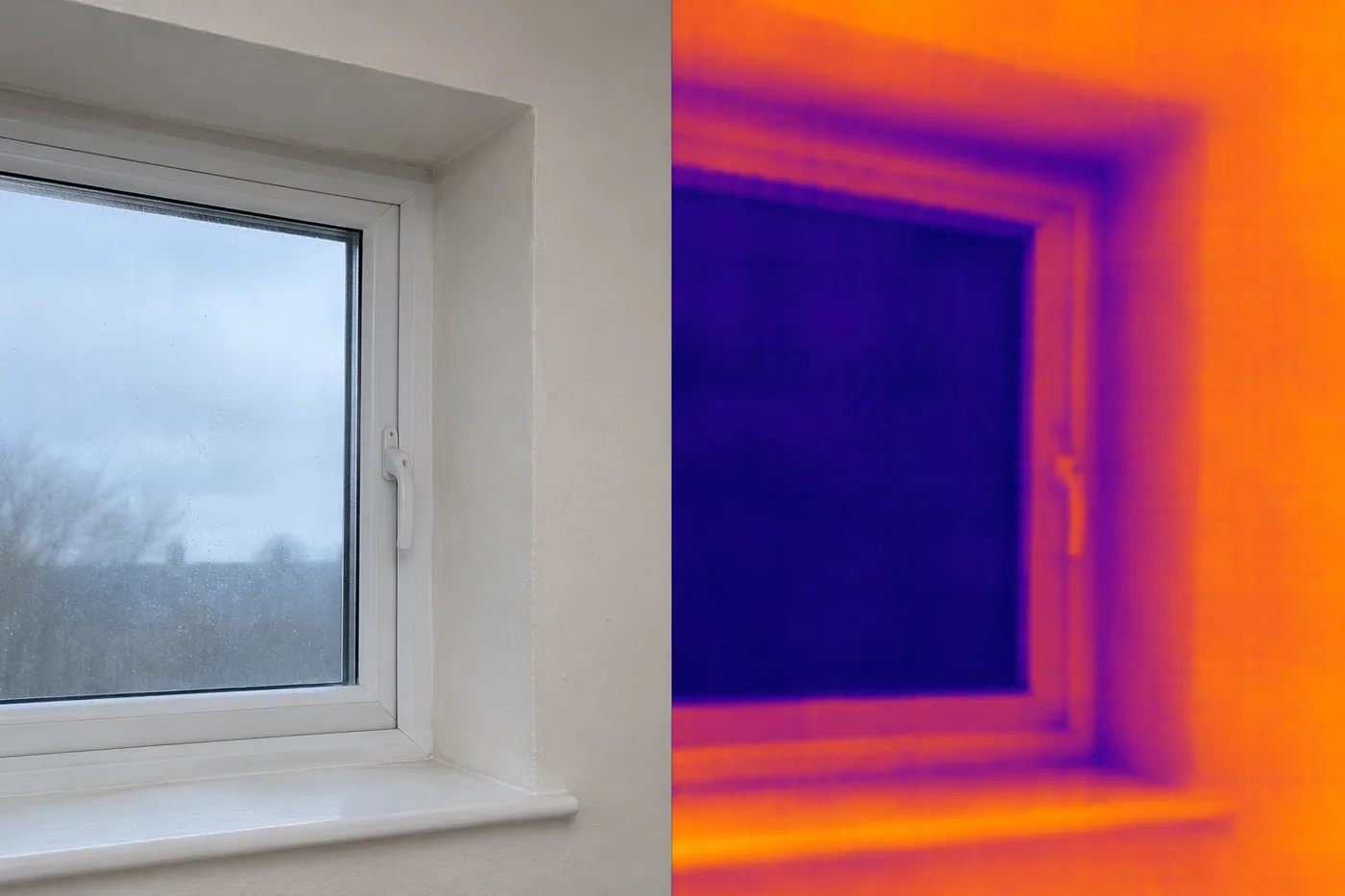
Homes & heat loss
A thermal image shows a surface-temperature pattern. Finding its cause takes a second kind of evidence.
Homes & heat loss
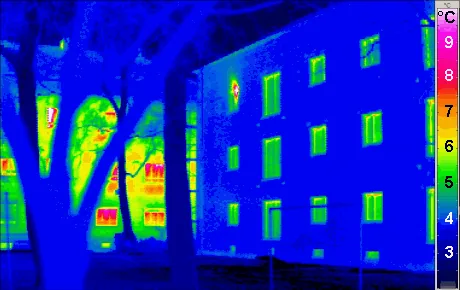
Stable heating, a useful temperature difference and a quiet weather window matter more than a dramatic colour palette.
Choosing equipment
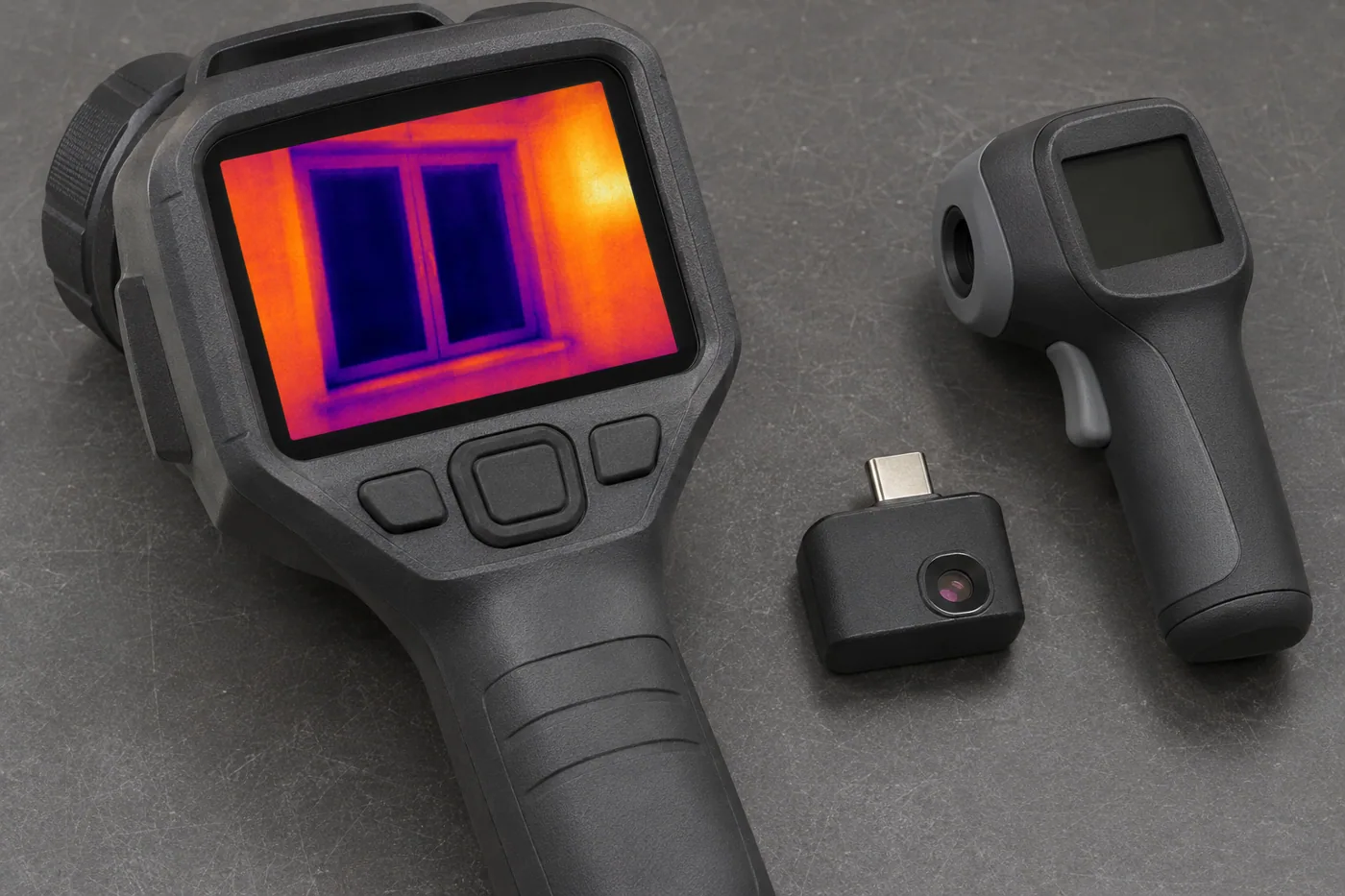
Choose a single reading for a known target, or an image when finding the pattern is the real task.
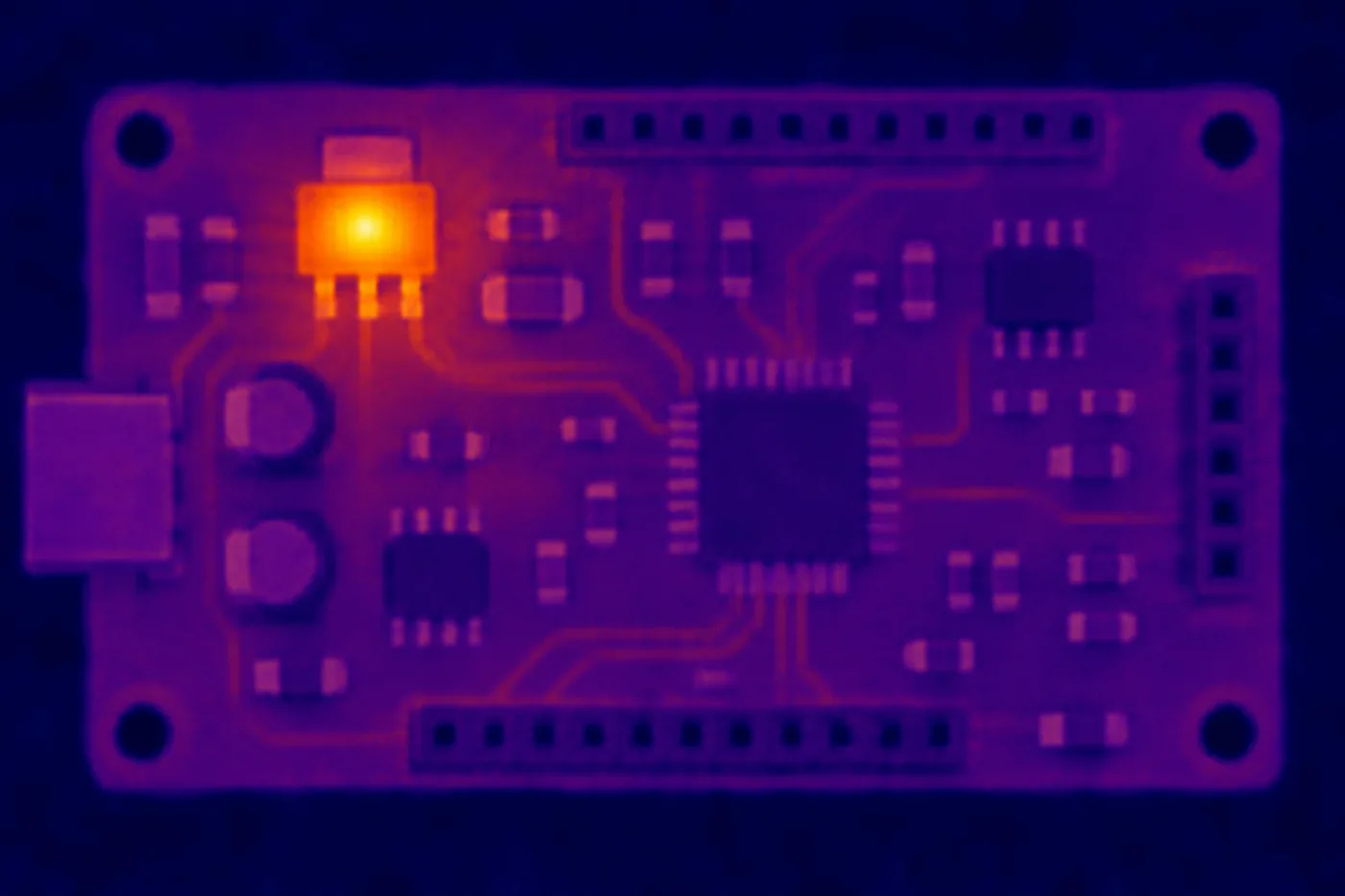
Electronics
Focus, working distance and a steady view determine whether a warm blob can be linked to a particular component.
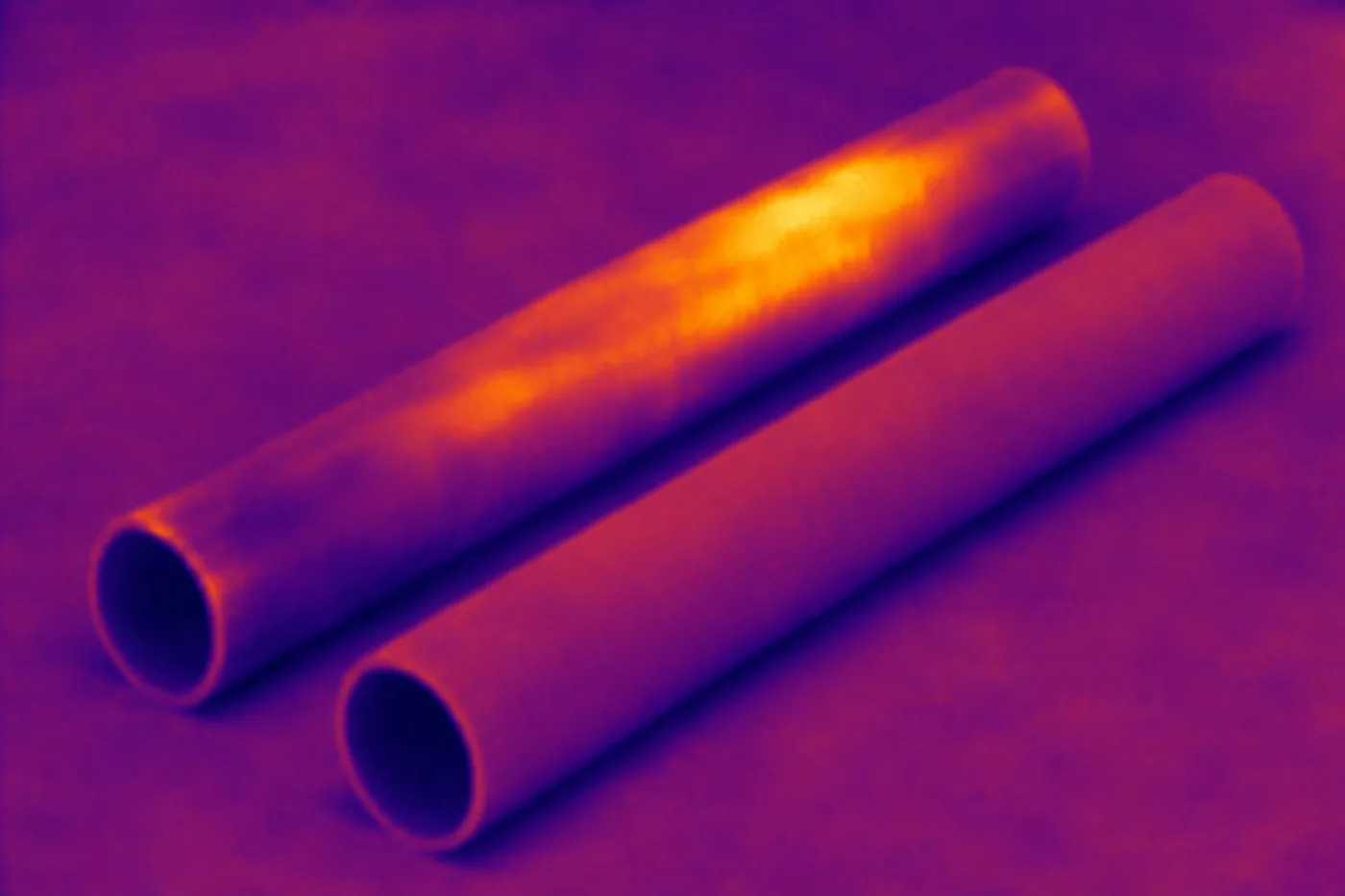
Measurement
The camera receives radiation from the surface and its surroundings. A reflective target can make those contributions hard to separate.
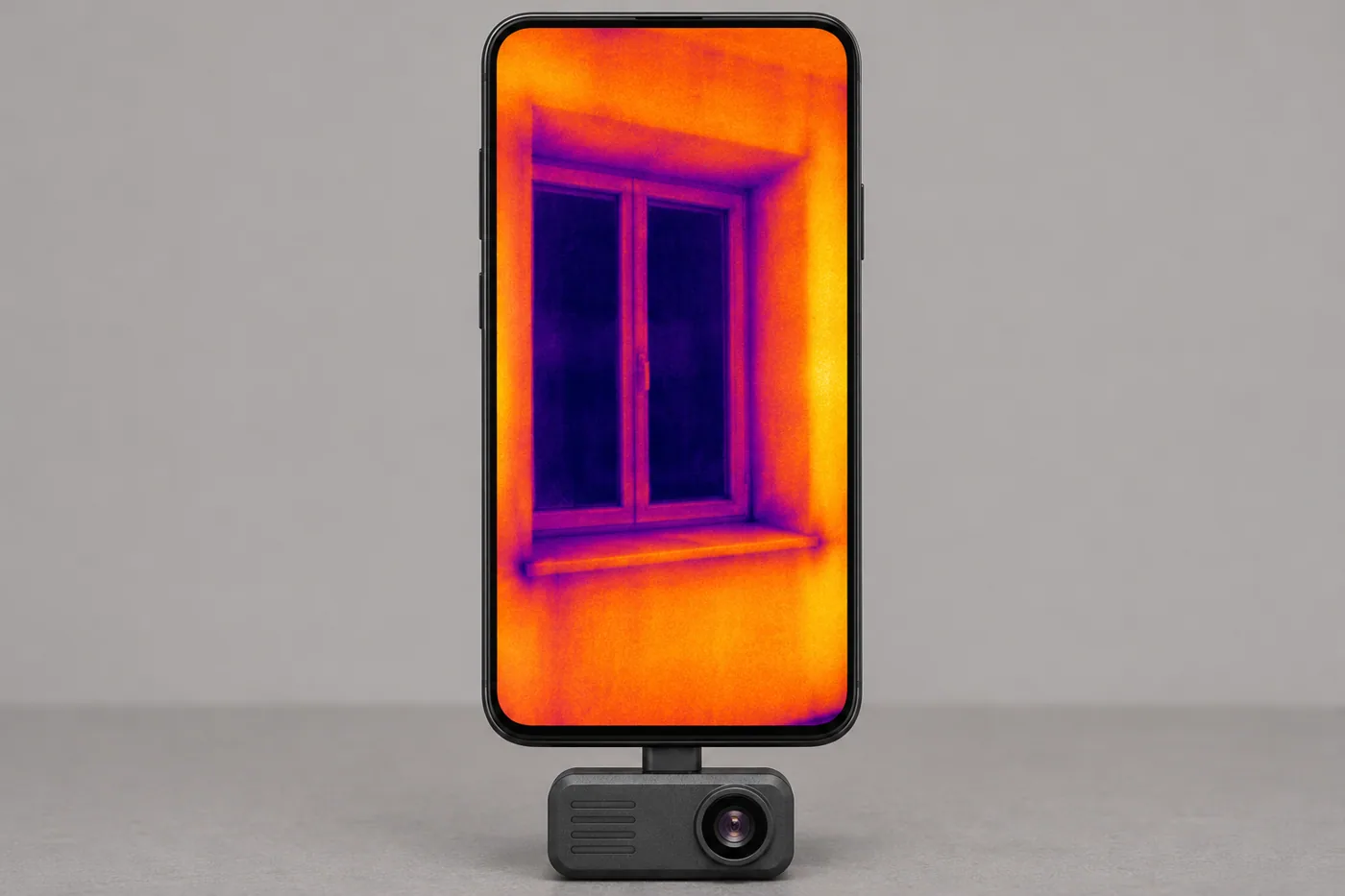
Phone cameras
The exact attachment, operating system, app and file workflow all need to work together.
Phone cameras
A colourful JPEG and an image carrying radiometric data are not interchangeable. Check what survives the export.
Measurement
A bigger exported picture cannot recover a small target that the detector never resolved.
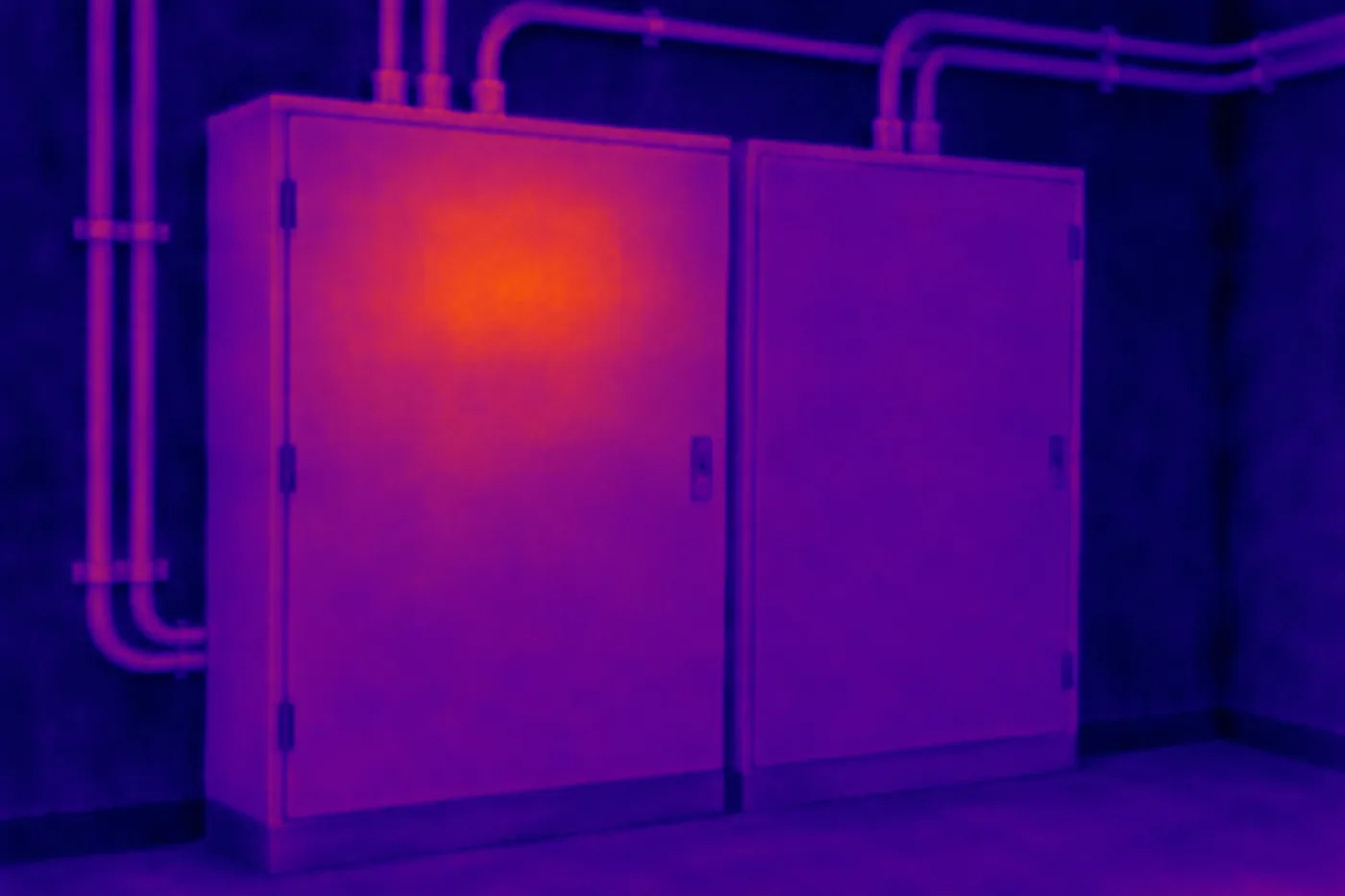
Electronics
Load, comparison and an appropriate electrical investigation determine whether a warm area is expected or suspicious.
Choosing equipment
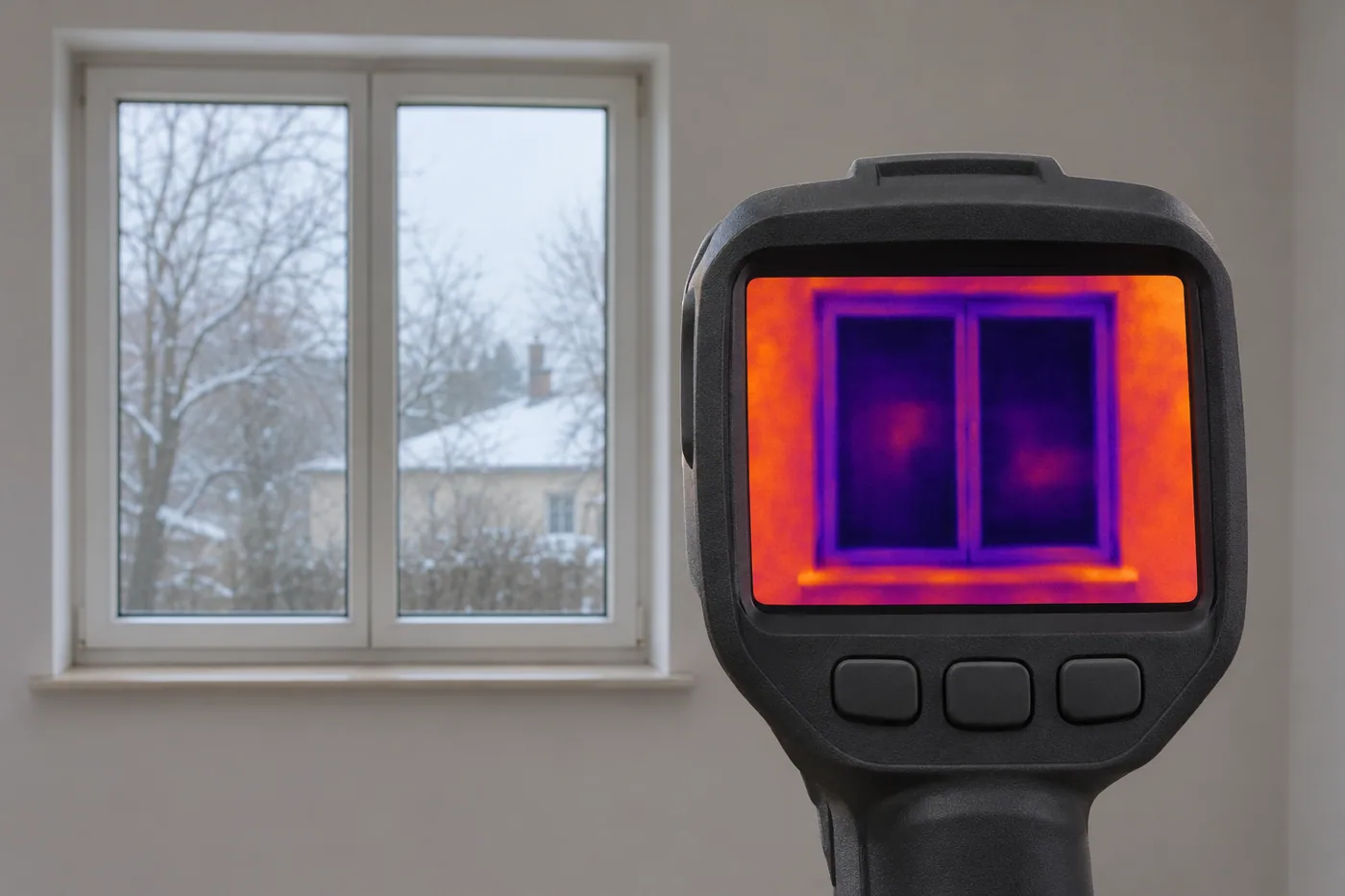
A short loan can answer the practical questions that a specification sheet cannot.
Homes & heat loss
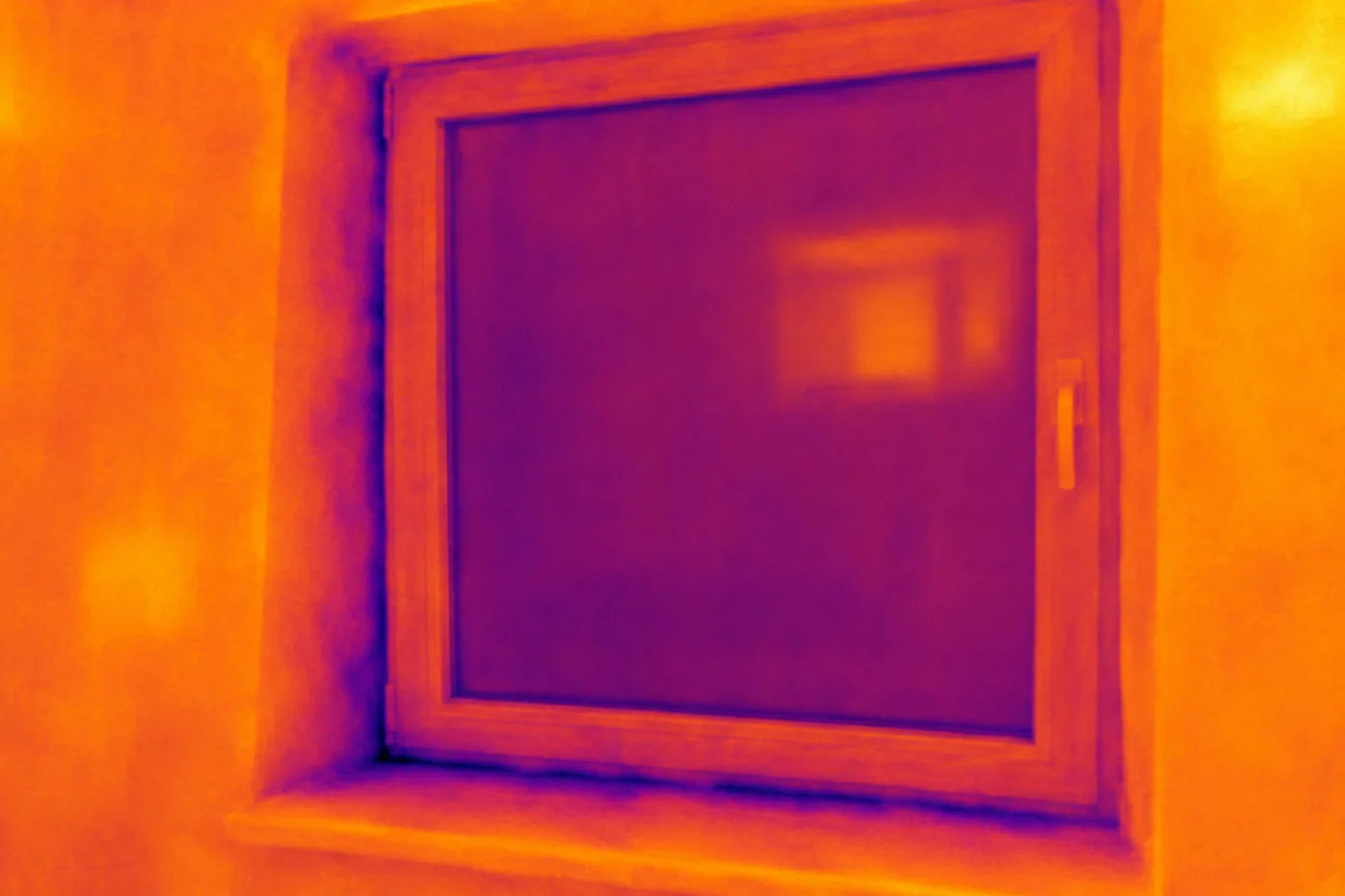
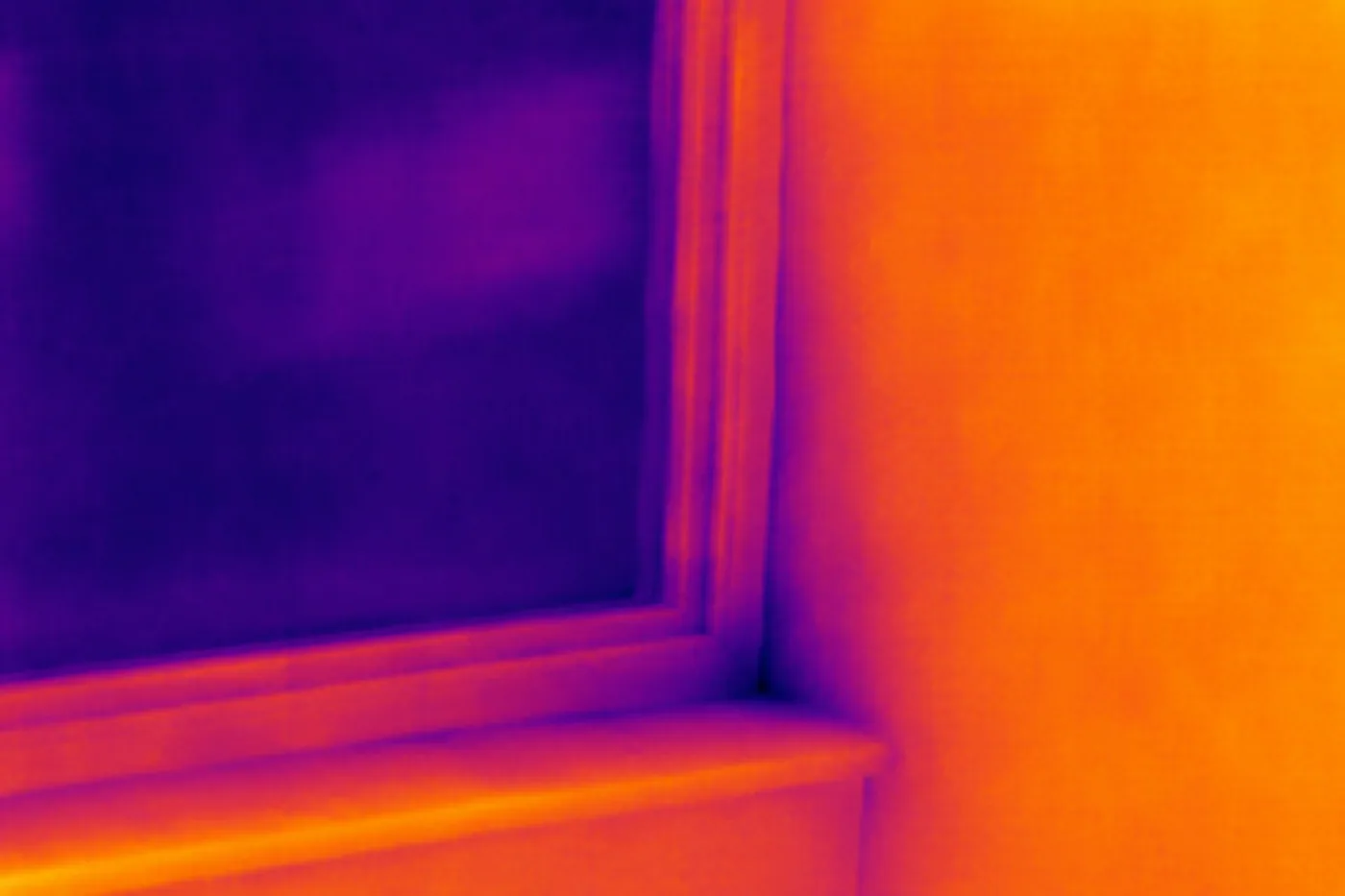
A cold stripe around a window shows where the surface was cooler. Check the glass edge, frame, plaster reveal and nearby wall as separate points. You need a like-for-like window and a separate observation of any moving air before deciding who to call.
Measurement
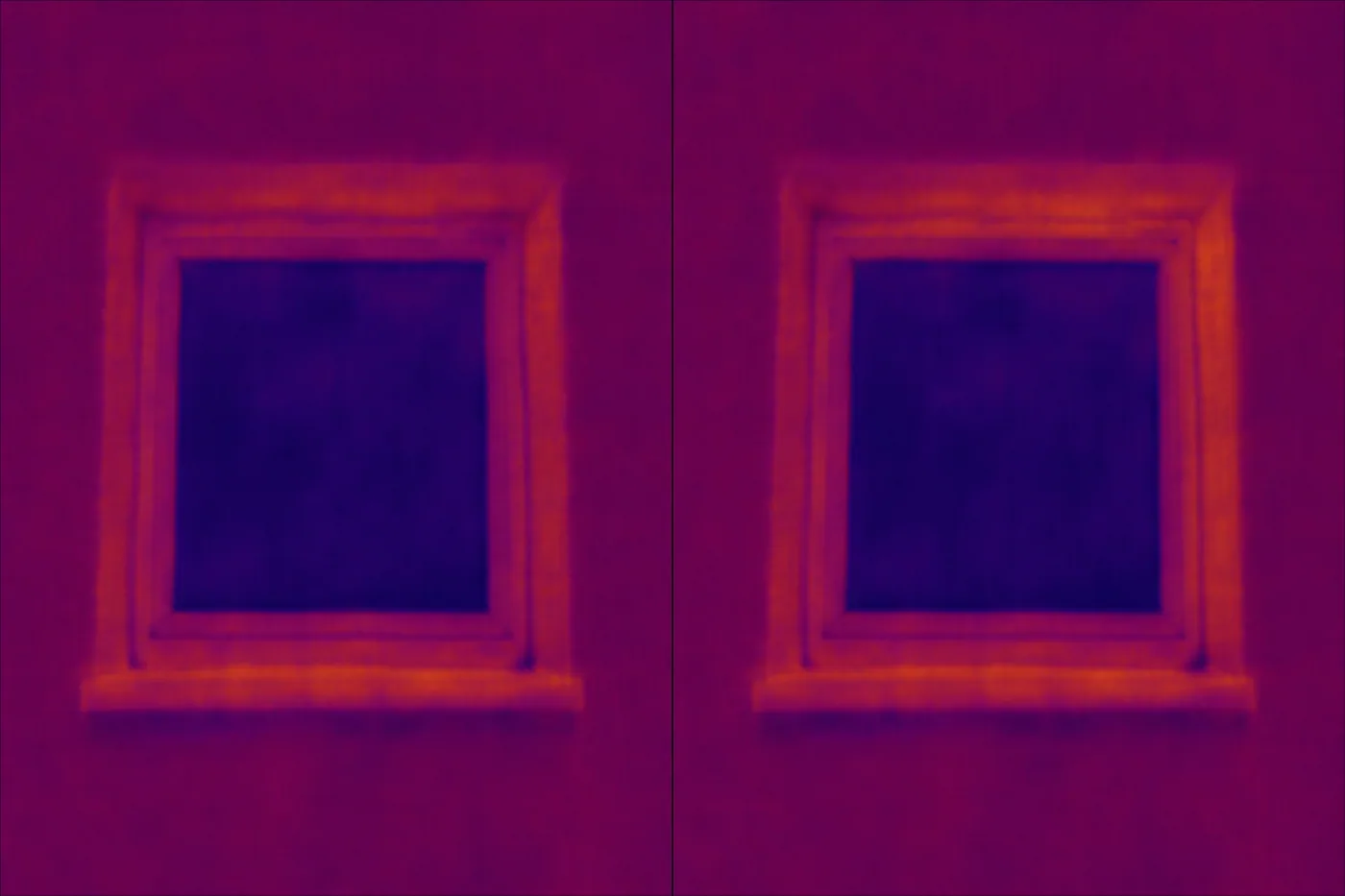
For a before-and-after comparison, use the same camera, lens, position, scale and surface settings. Keep one reference point untouched. Record the indoor and outdoor conditions on both days so you can see what changed with the job.
Homes & heat loss
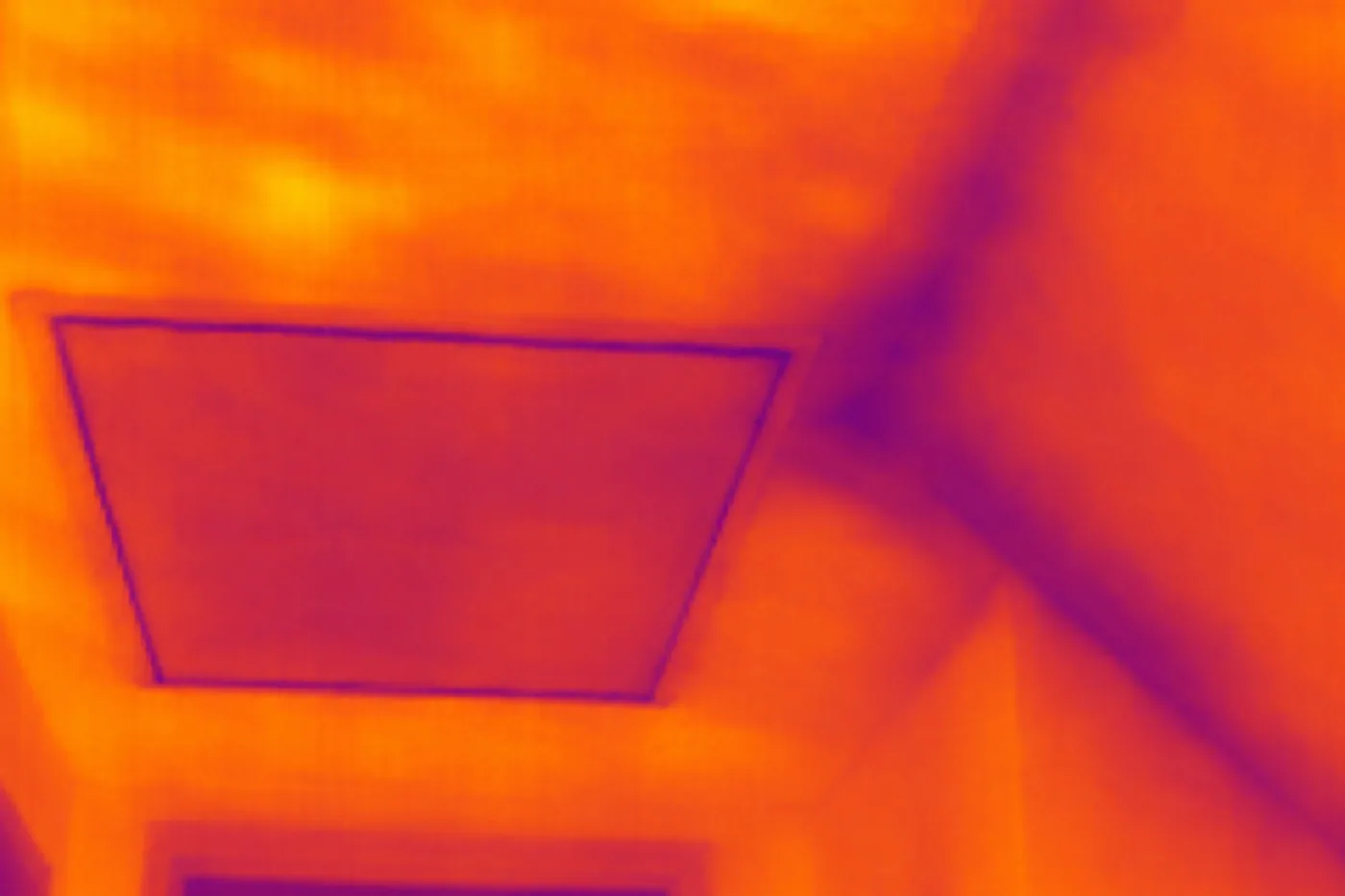
Start from the room below. Photograph the hatch, the outer ceiling line and one nearby area of smooth ceiling. The pattern and the building layout give you a better starting point than the coldest number on the screen.
Homes & heat loss
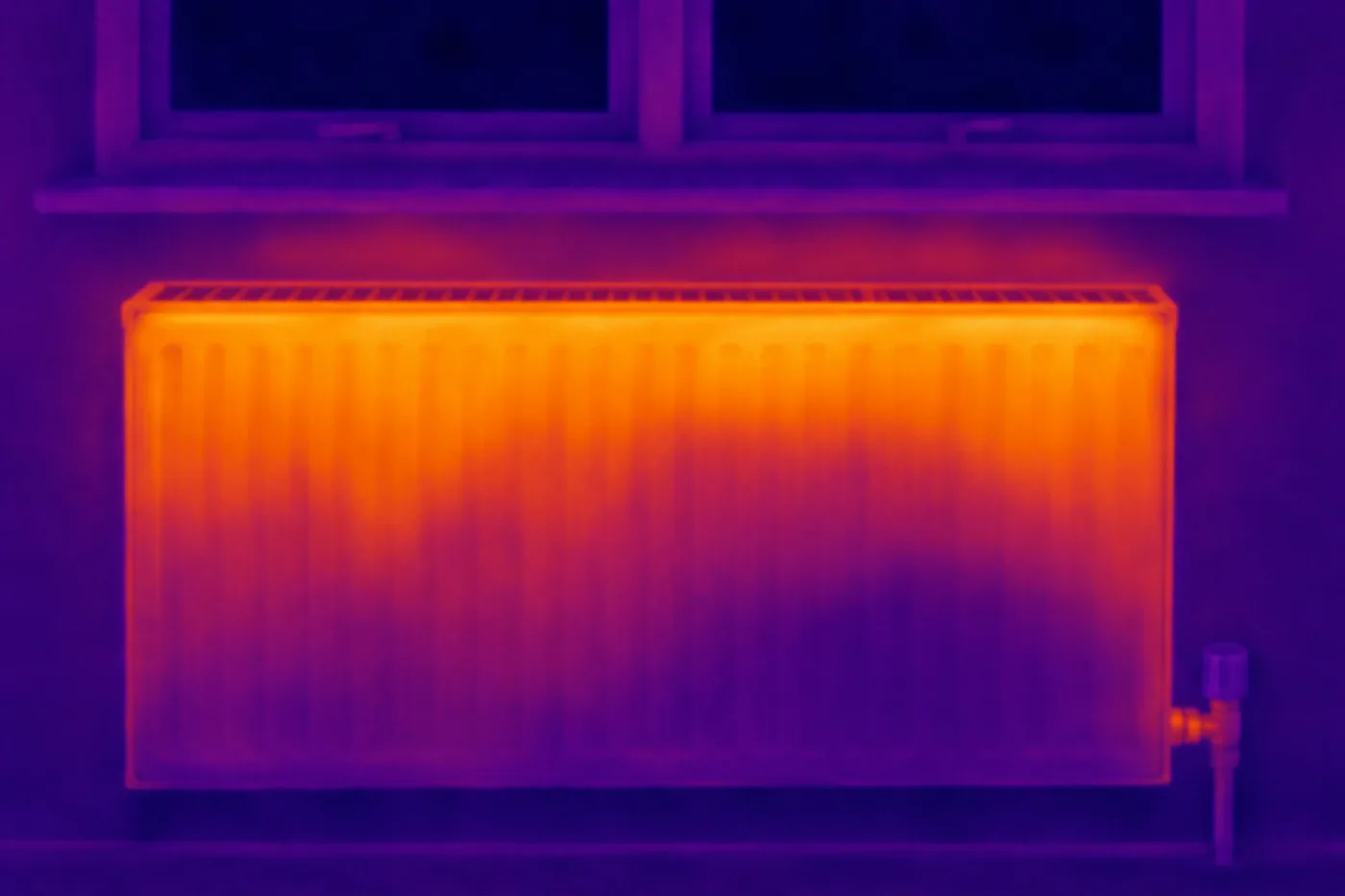
A radiator surface warms unevenly when the system starts. Compare at the same stage of a heating cycle and use a similar radiator as a reference. A repeatable pattern and the room’s symptoms are useful records for a heating engineer.
Measurement
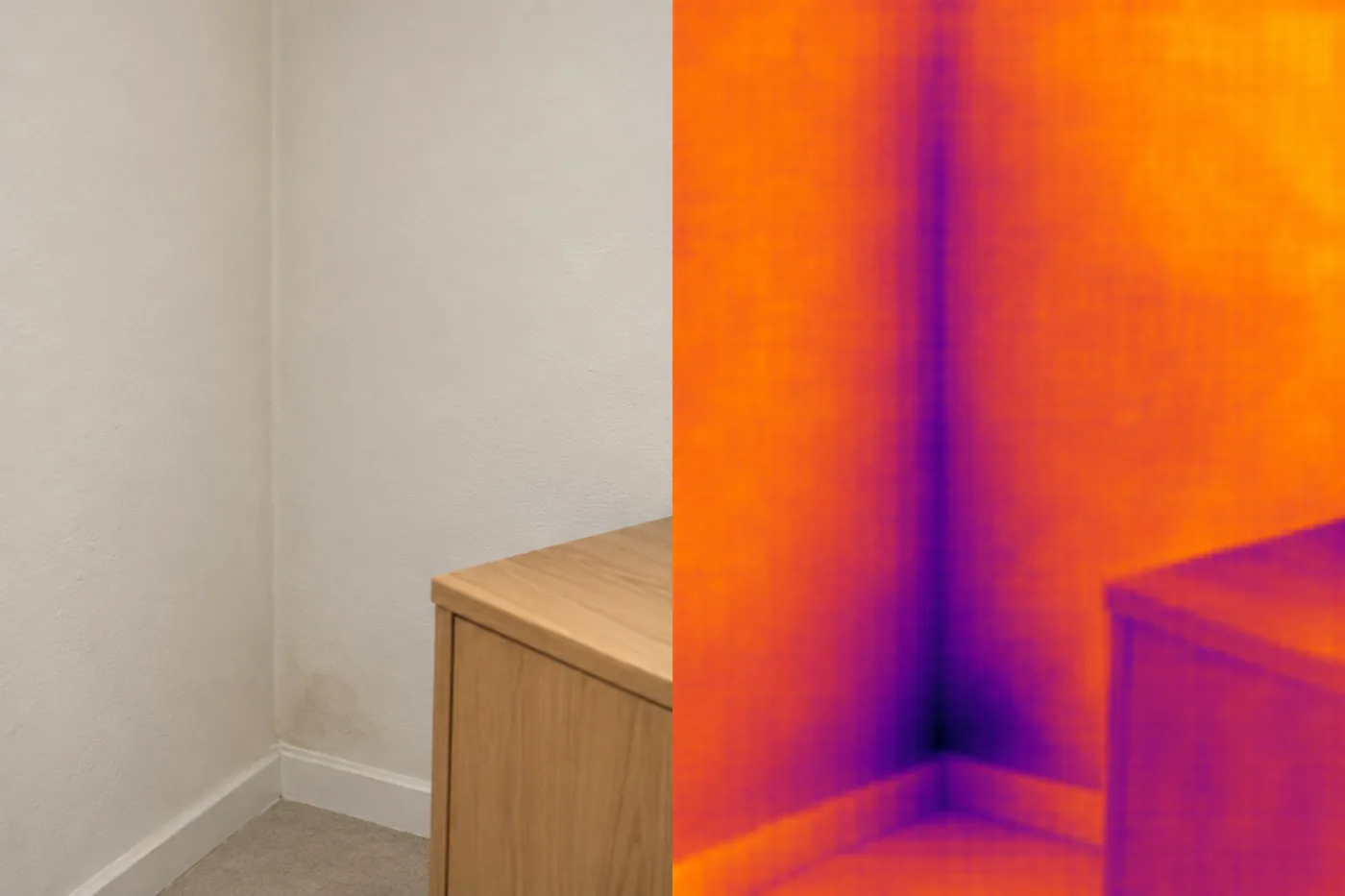
Measure the room air temperature and relative humidity at the same time. Compare the calculated dew point with a reliable temperature taken at the surface you are checking. The difference applies to that place and time.
Homes & heat loss
Report visible mould or persistent damp when it appears. Start with a dated plain-light photo, the exact location and your observations. You can add thermal pictures, weather or readings as evidence becomes available.
Choosing equipment
Borrow or hire when you need one household scan and can verify that the available camera fits the job. Buying makes more sense with a repeated use that needs your own lens, app, export workflow or access at short notice. A professional survey is a separate choice when you need an investigation and report.
Phone cameras
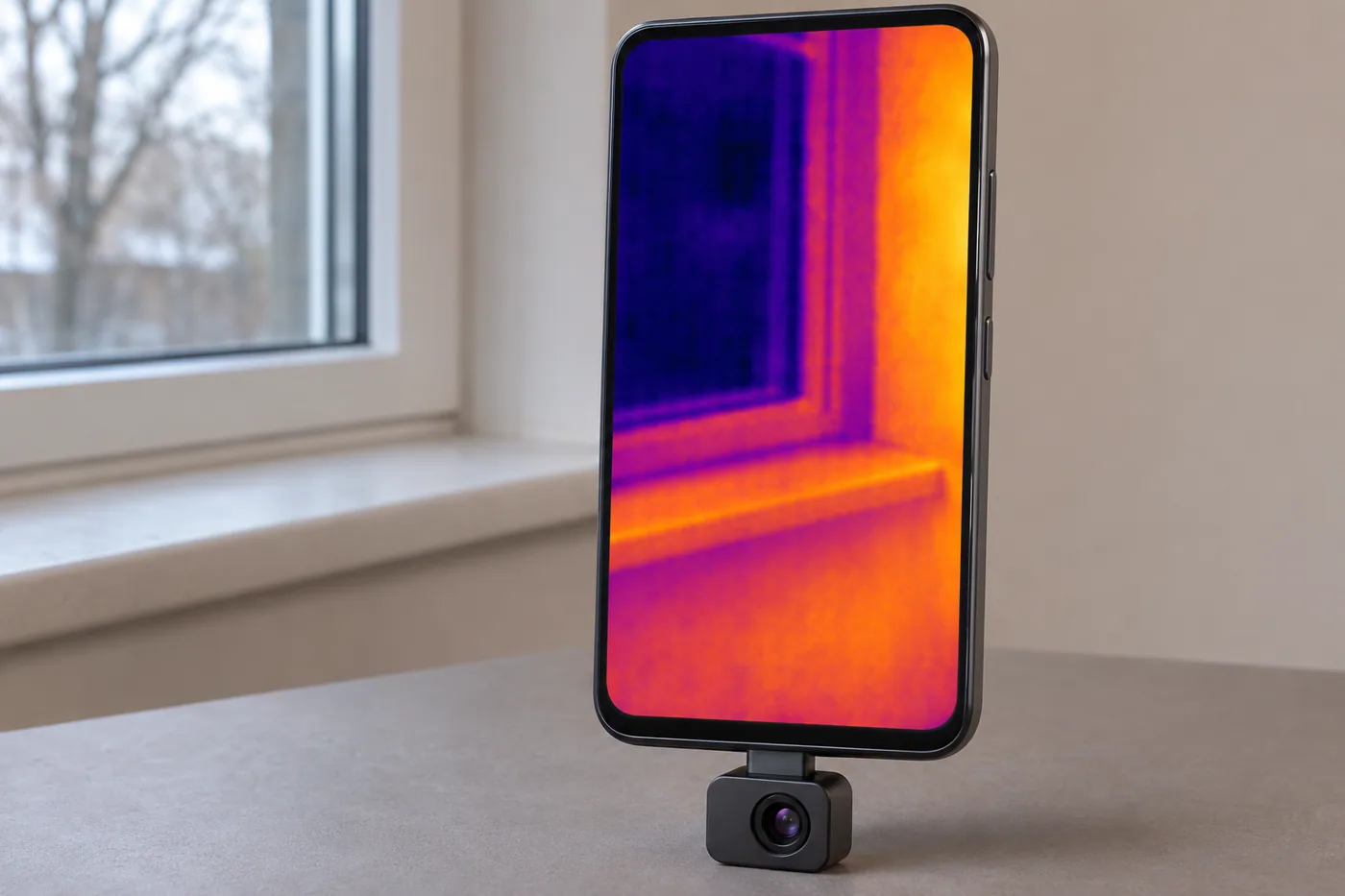
A light on the camera can show it has power. Verify that the exact camera edition is supported by your iPhone, operating system and app, then check the physical fit and data path.
No guides match. Change the topic or search.