ThermalNote
Measure a thermal image
Open a supported FLIR radiometric JPEG to read temperatures, change its palette and export the selected detector pixels.
Practical guides to thermal imaging and infrared measurement. For your home, your workbench and the questions in between.
A cold patch isn’t the whole story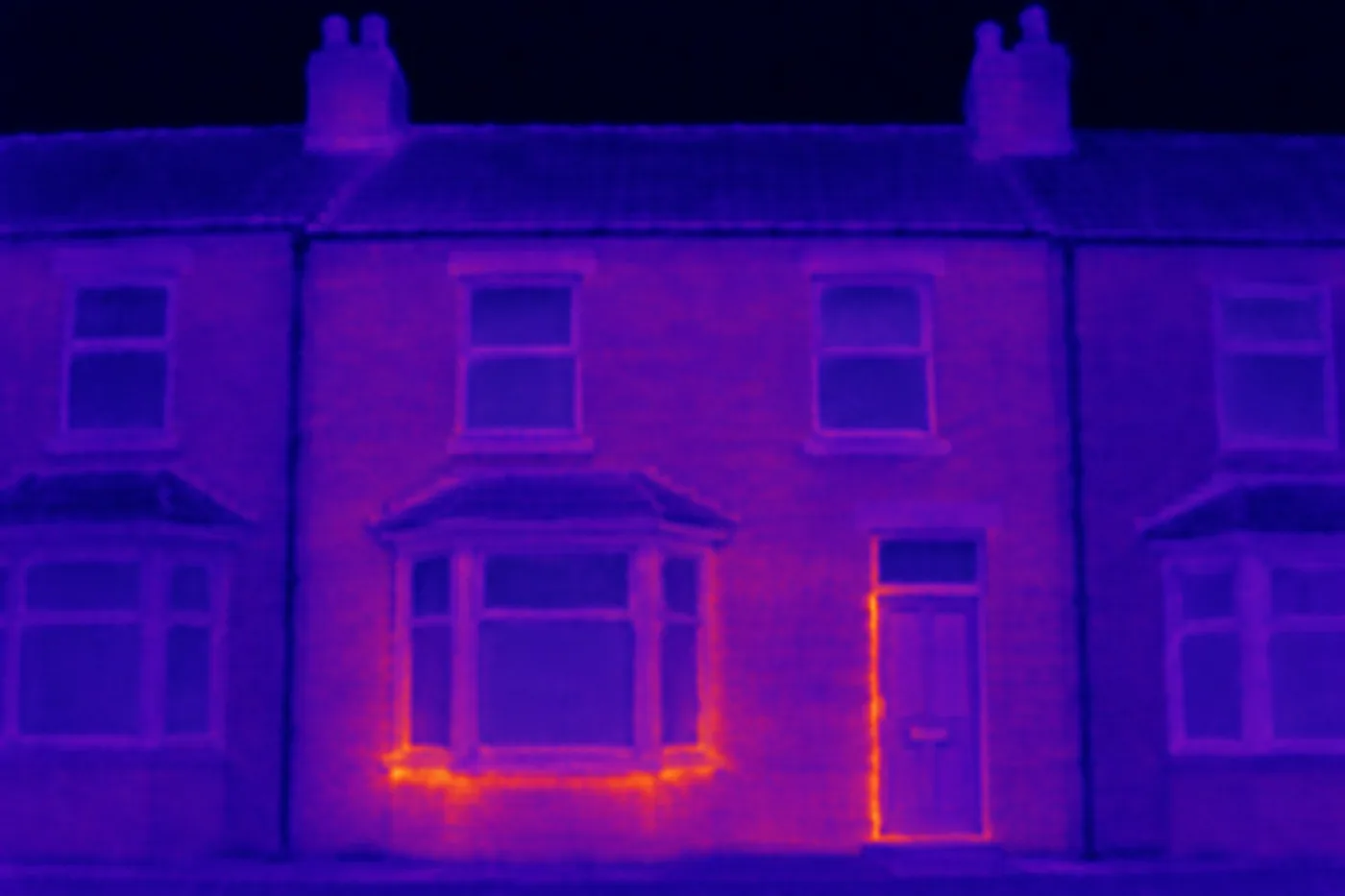
Open a supported FLIR radiometric JPEG to read temperatures, change its palette and export the selected detector pixels.
Open both images side by side. On supported radiometric pairs, share a temperature scale, measure the same area, and export the comparison.
Compare native detector coverage on the same target at your real working distance. Use presets for a PCB, window or pipe.
Use these free online tools to view thermal photos, calculate infrared measurements and plan a home survey. The tools run in your browser and require no account.
12 tools
Open a supported FLIR radiometric JPEG to read temperatures, change its palette and export the selected detector pixels.
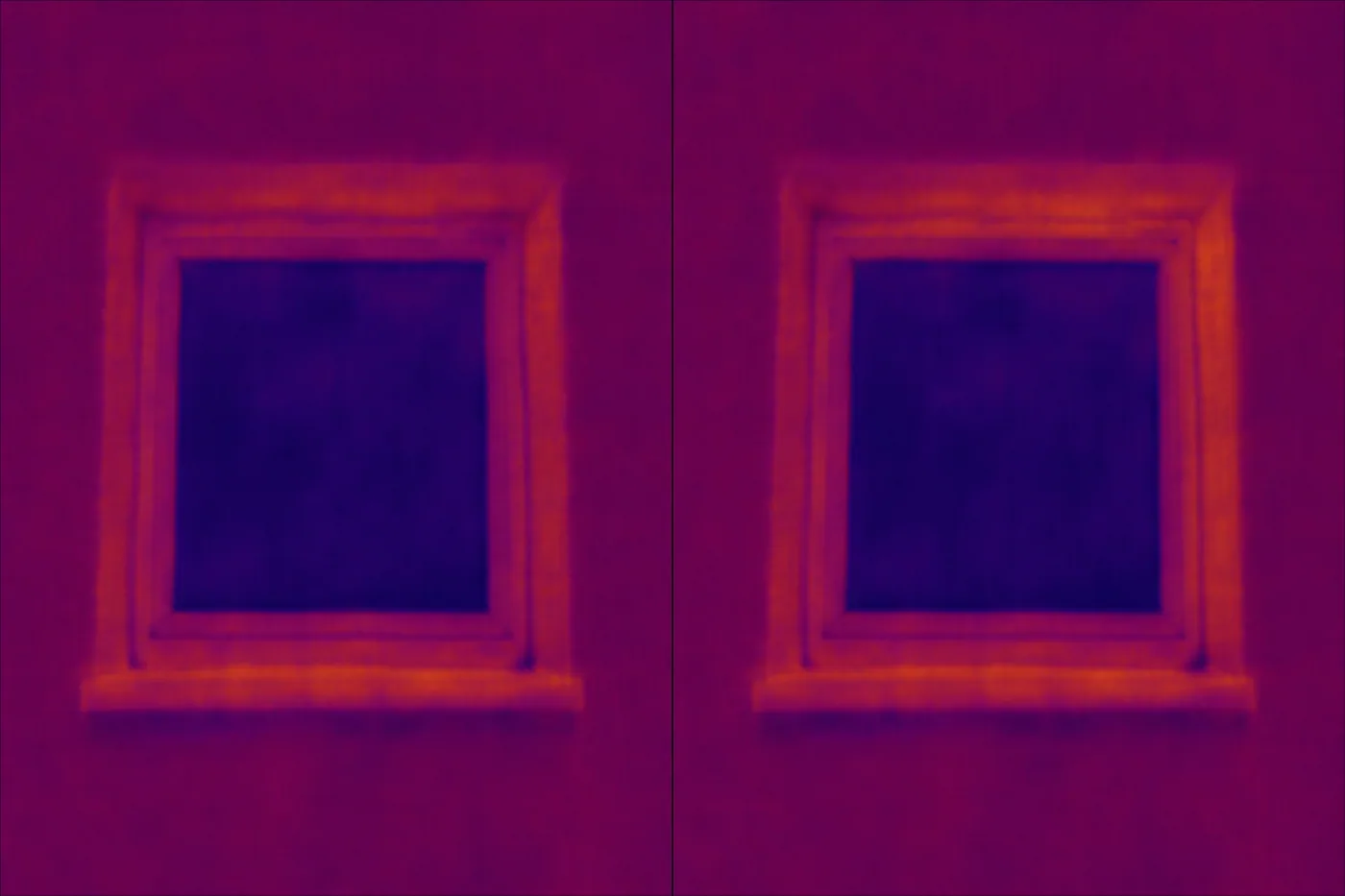
Open both images side by side. On supported radiometric pairs, share a temperature scale, measure the same area, and export the comparison.
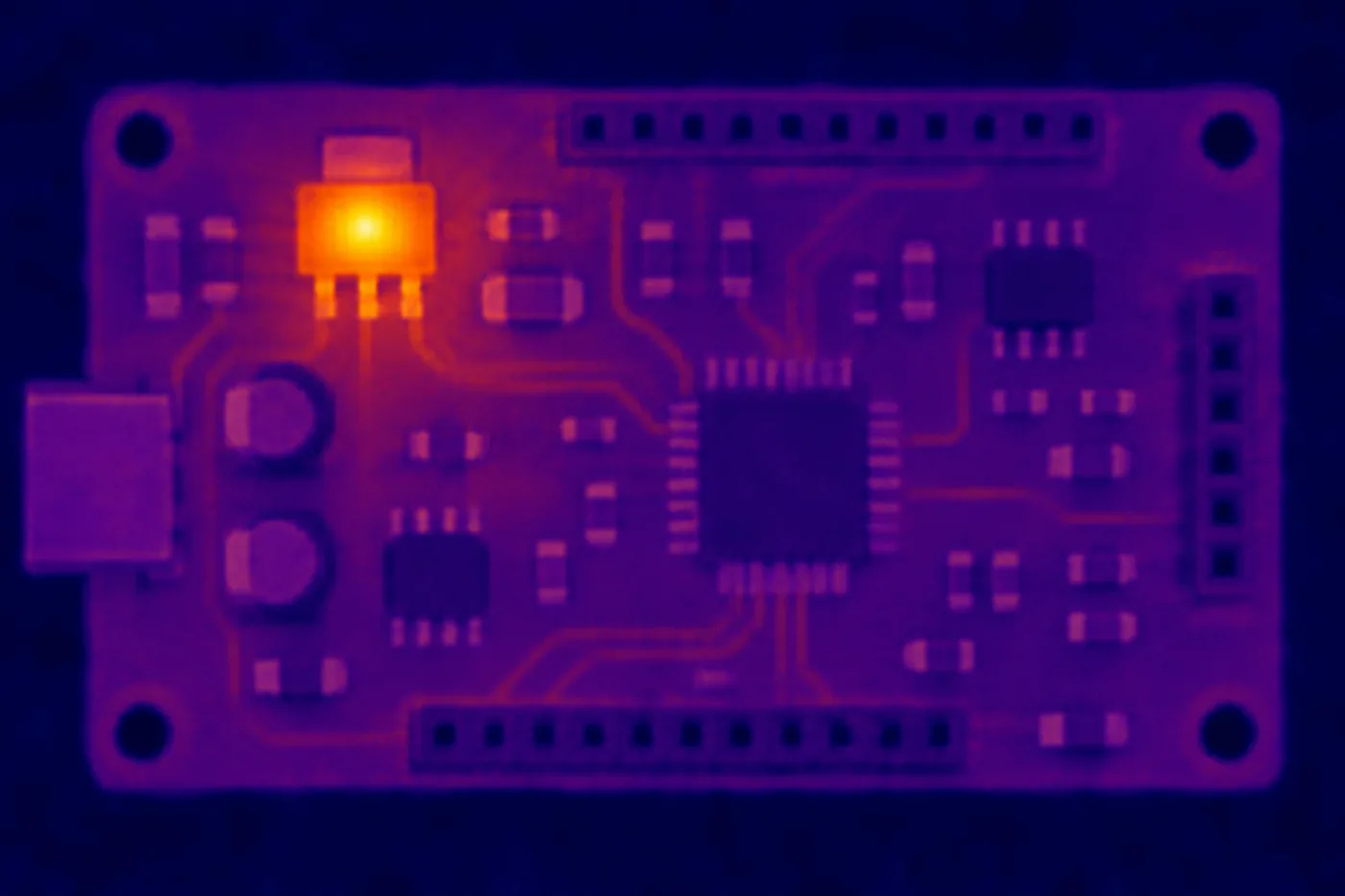
Compare native detector coverage on the same target at your real working distance. Use presets for a PCB, window or pipe.
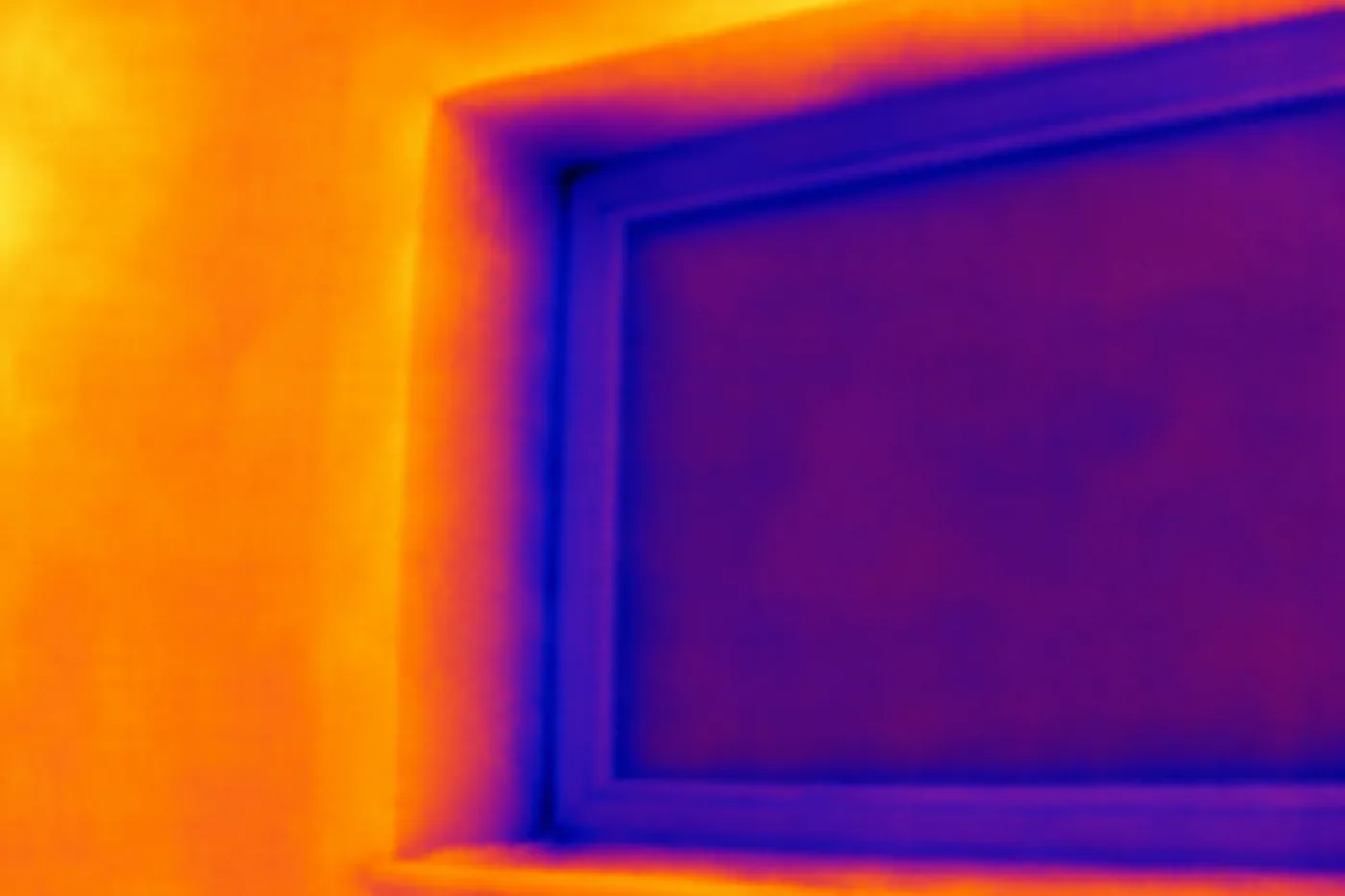
Choose the location and what you see. Get a comparison point and a next check. Add reliable readings to compare the surface with dew point.
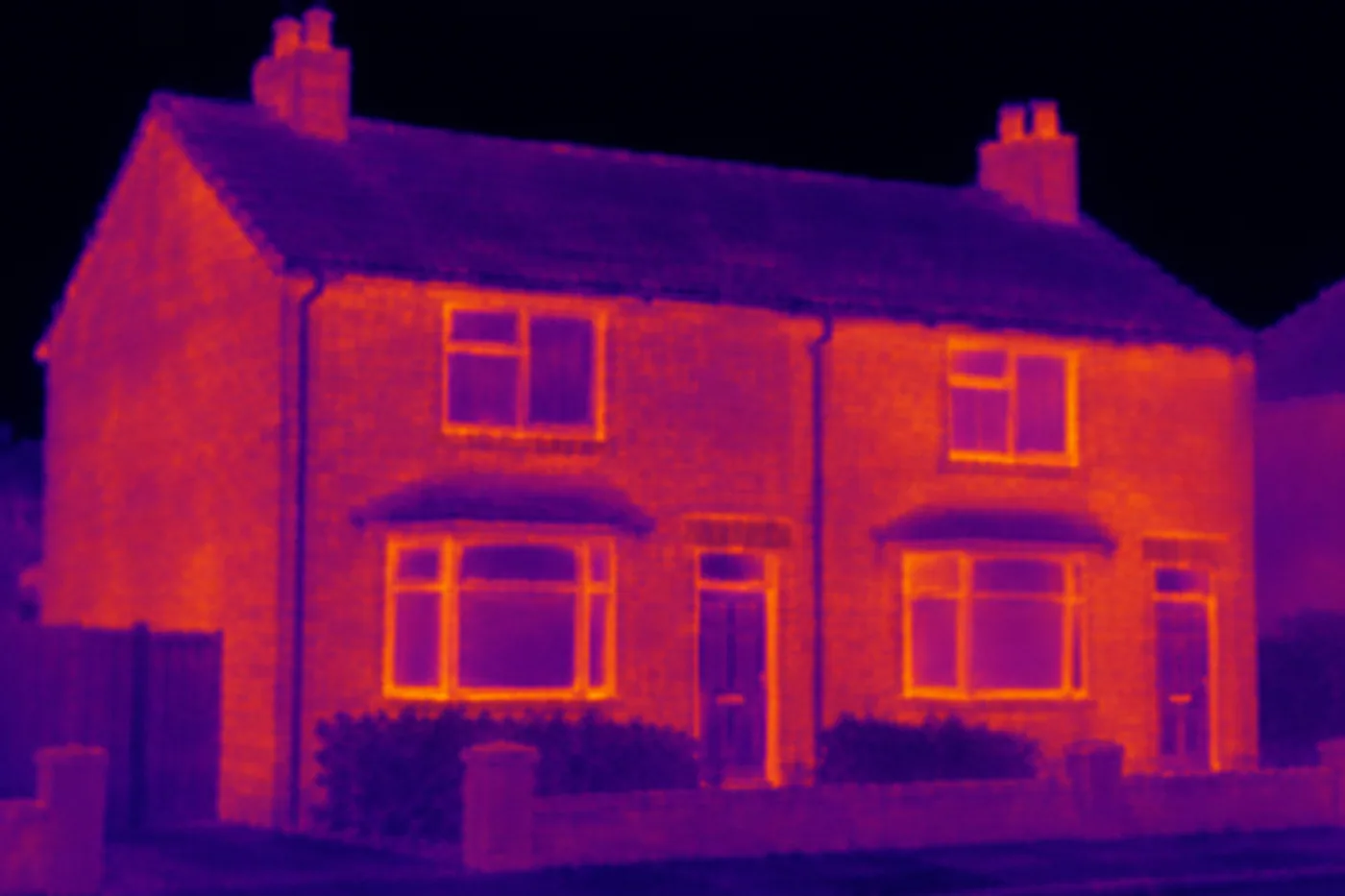
Get a shot list for your loan, hire or repeat visit. Check the indoor–outdoor temperature difference and the conditions at the surface.
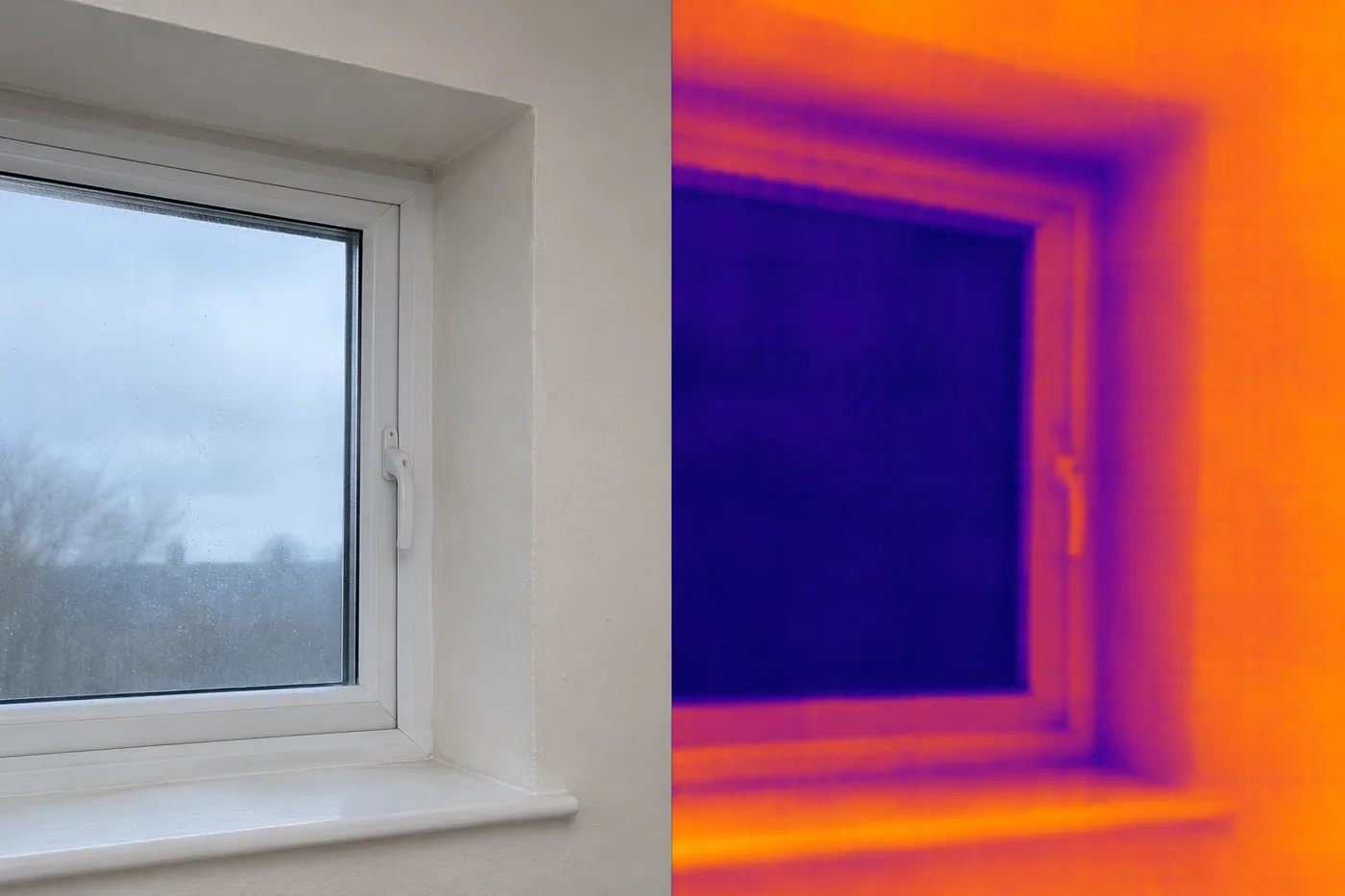
Put your observations, labelled photos and follow-up in one printable record. Give each location a short code.
Use room temperature and humidity to estimate dew point. Add a verified surface reading for a point-in-time comparison.
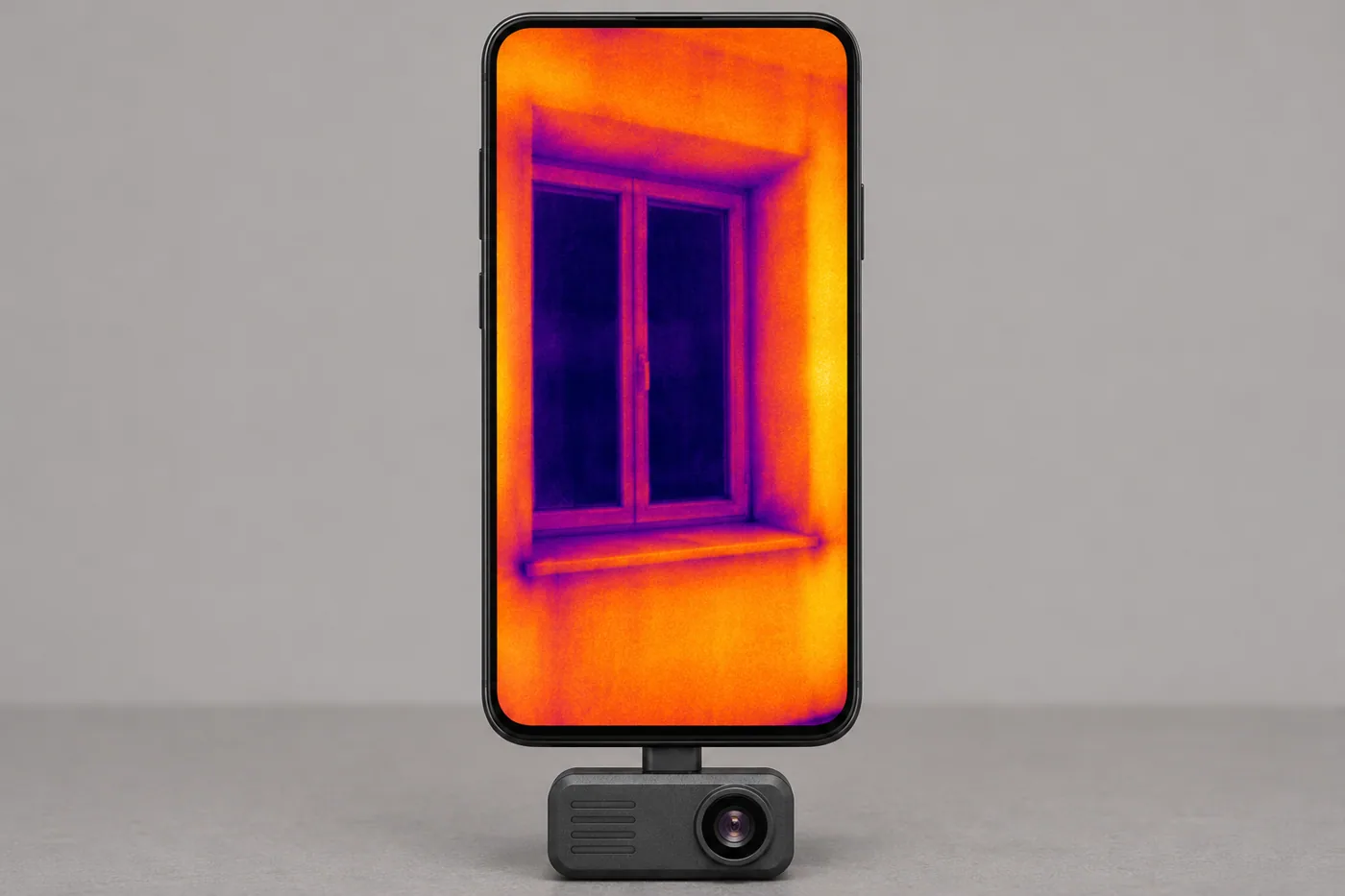
Match the exact camera edition, platform and connection to an existing source record. Get the next check for your handset and app.
Enter the D:S ratio and your measuring distance. Compare the estimated spot with the width of the target.
Choose the inspection and how often you expect to do it. Match the equipment to the output you need.
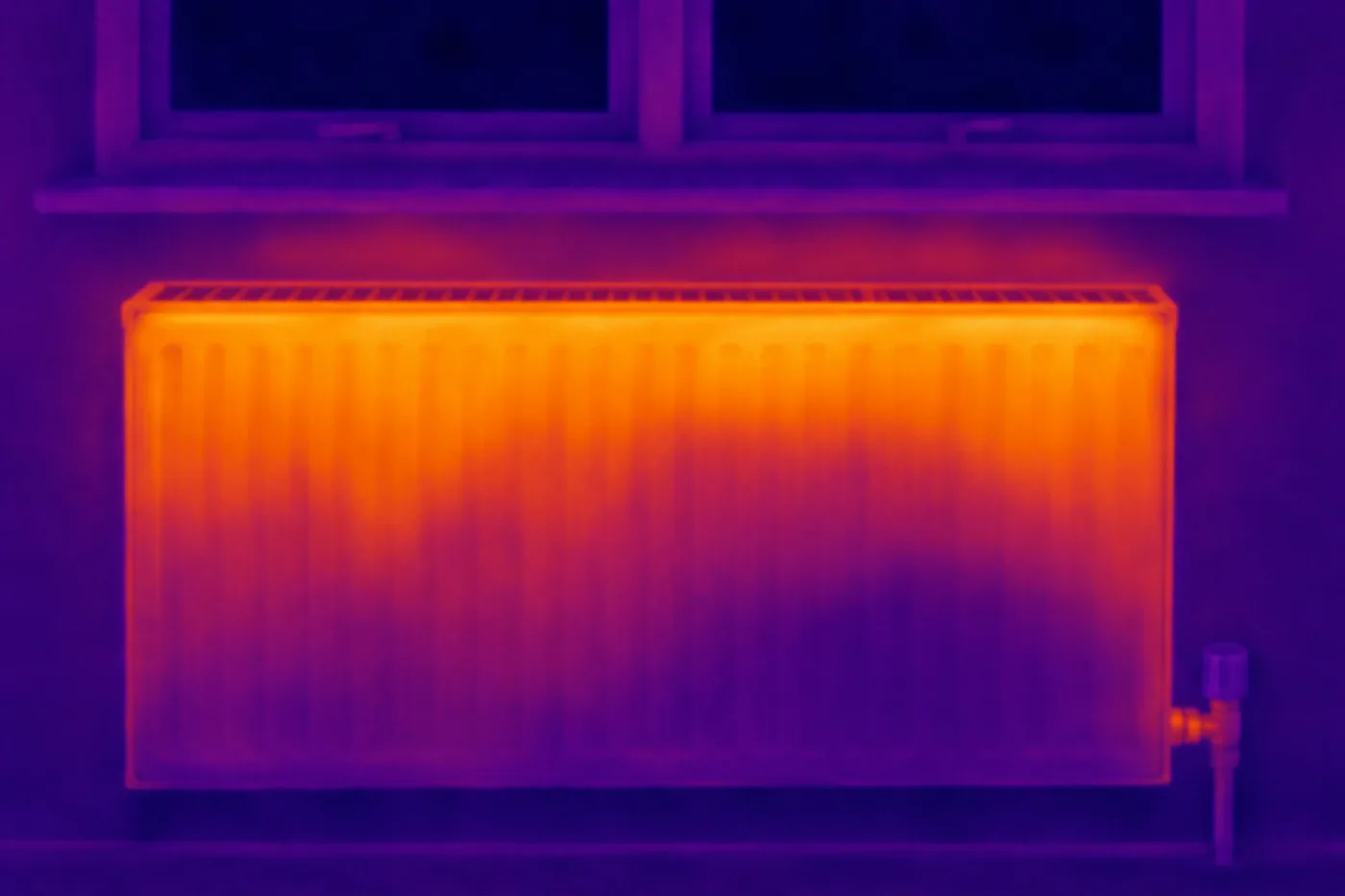
Record a radiator or floor pattern at a known stage and compare it with a similar point. Get an observation you can pass to a heating engineer.
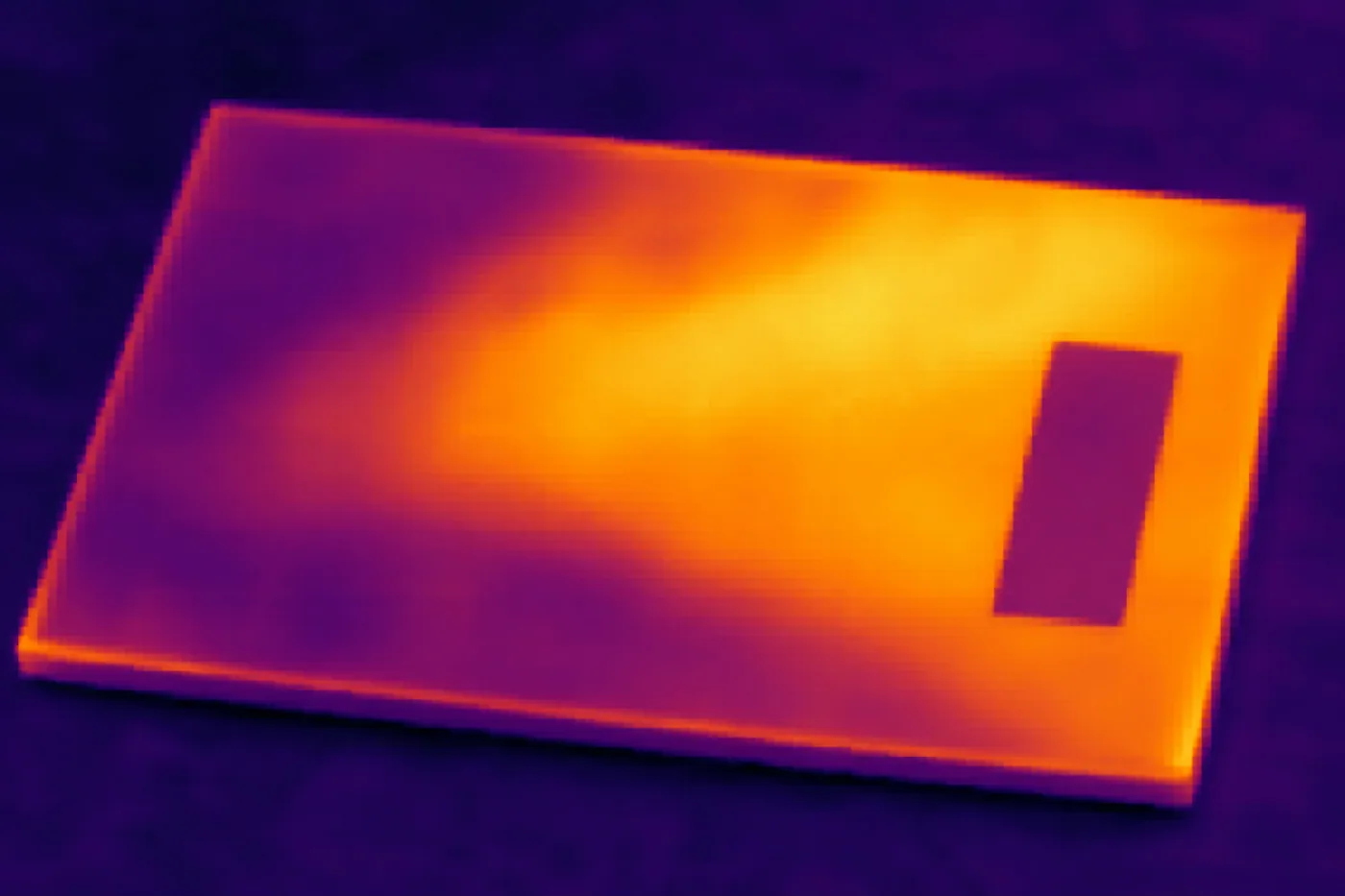
Work out if the surface, reflection or spot size is likely to affect your reading, and choose a repeat method.
Choose where it is and what you notice. Measurements are optional.
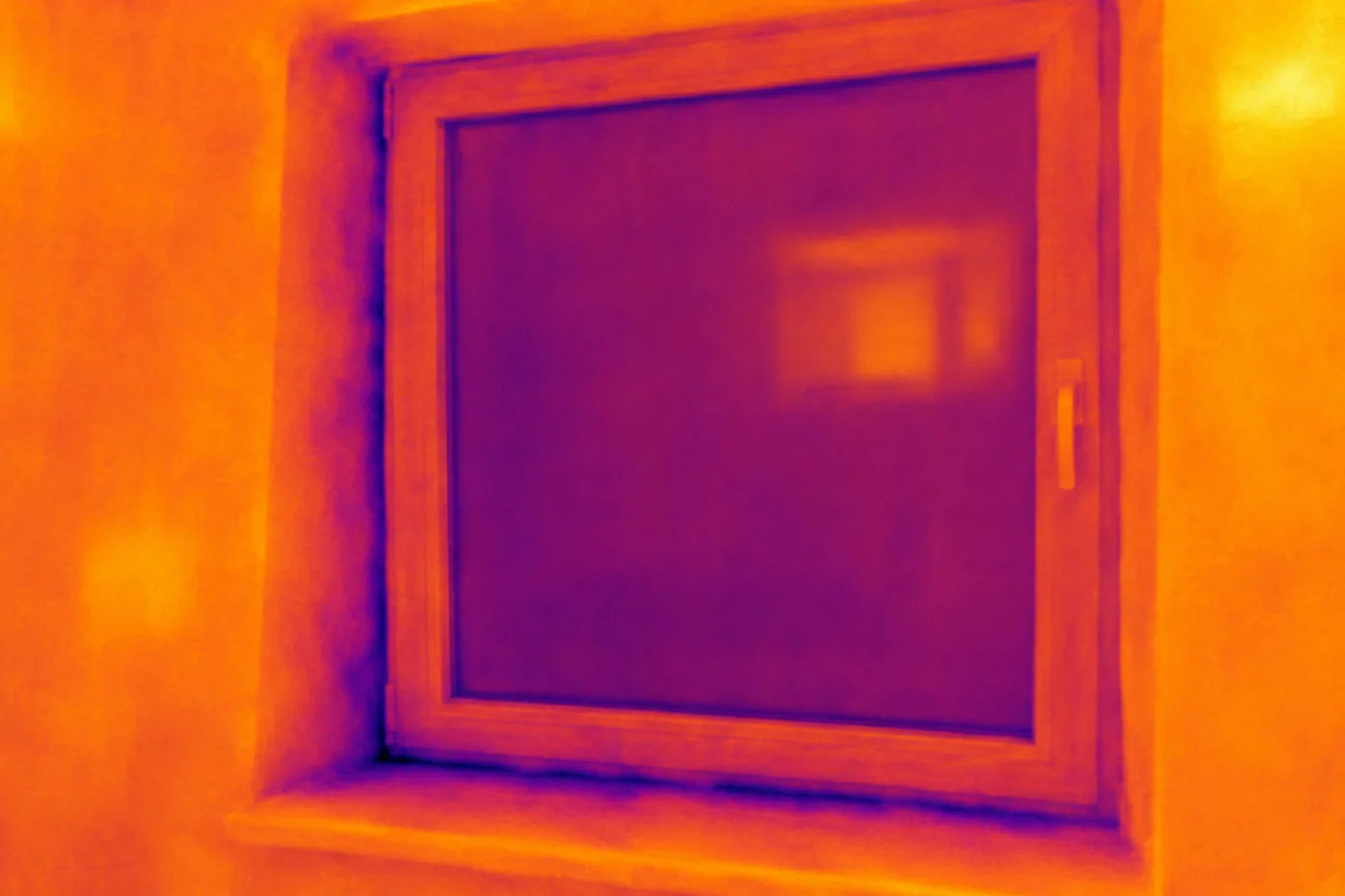
Homes & heat loss
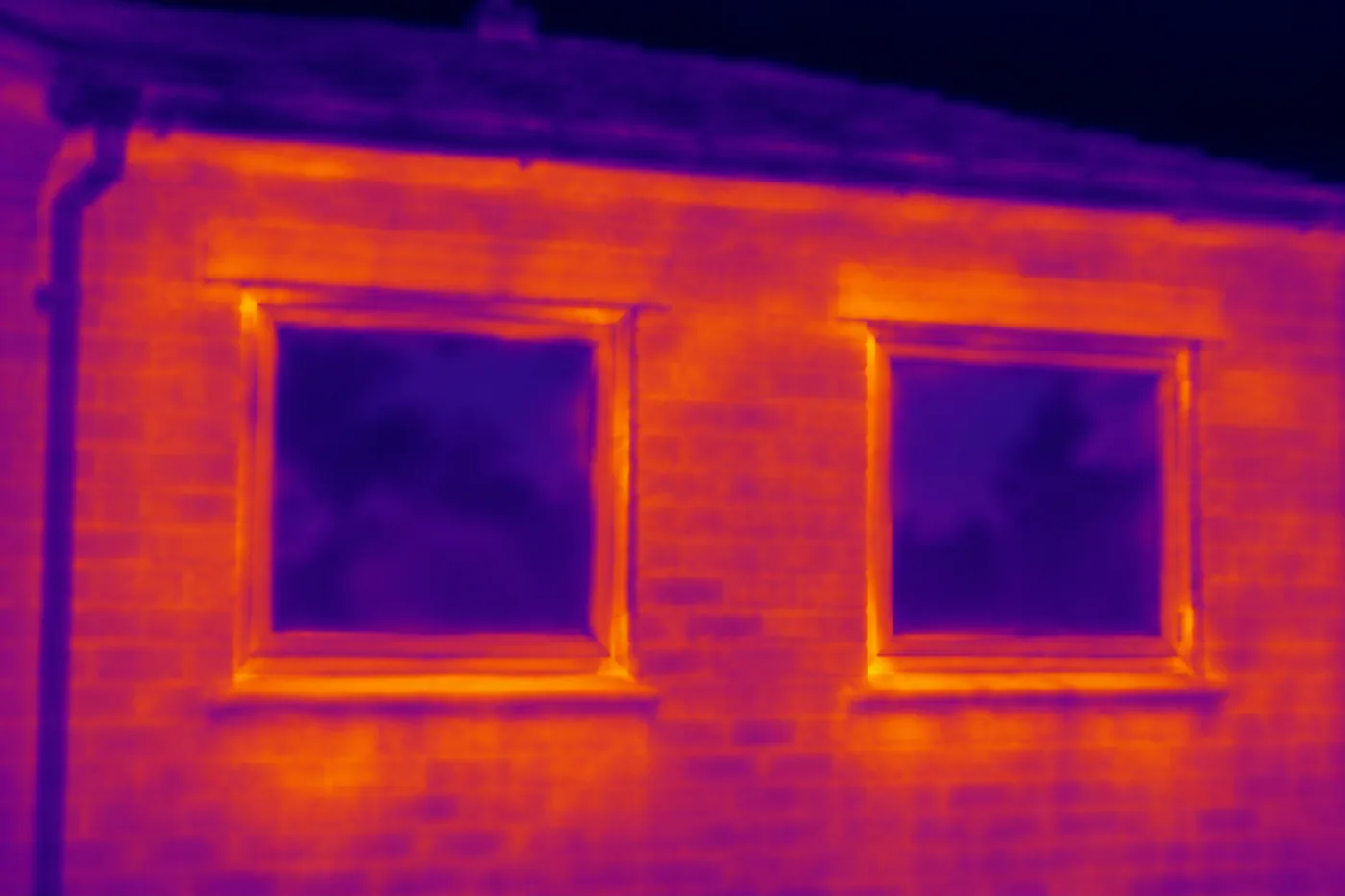
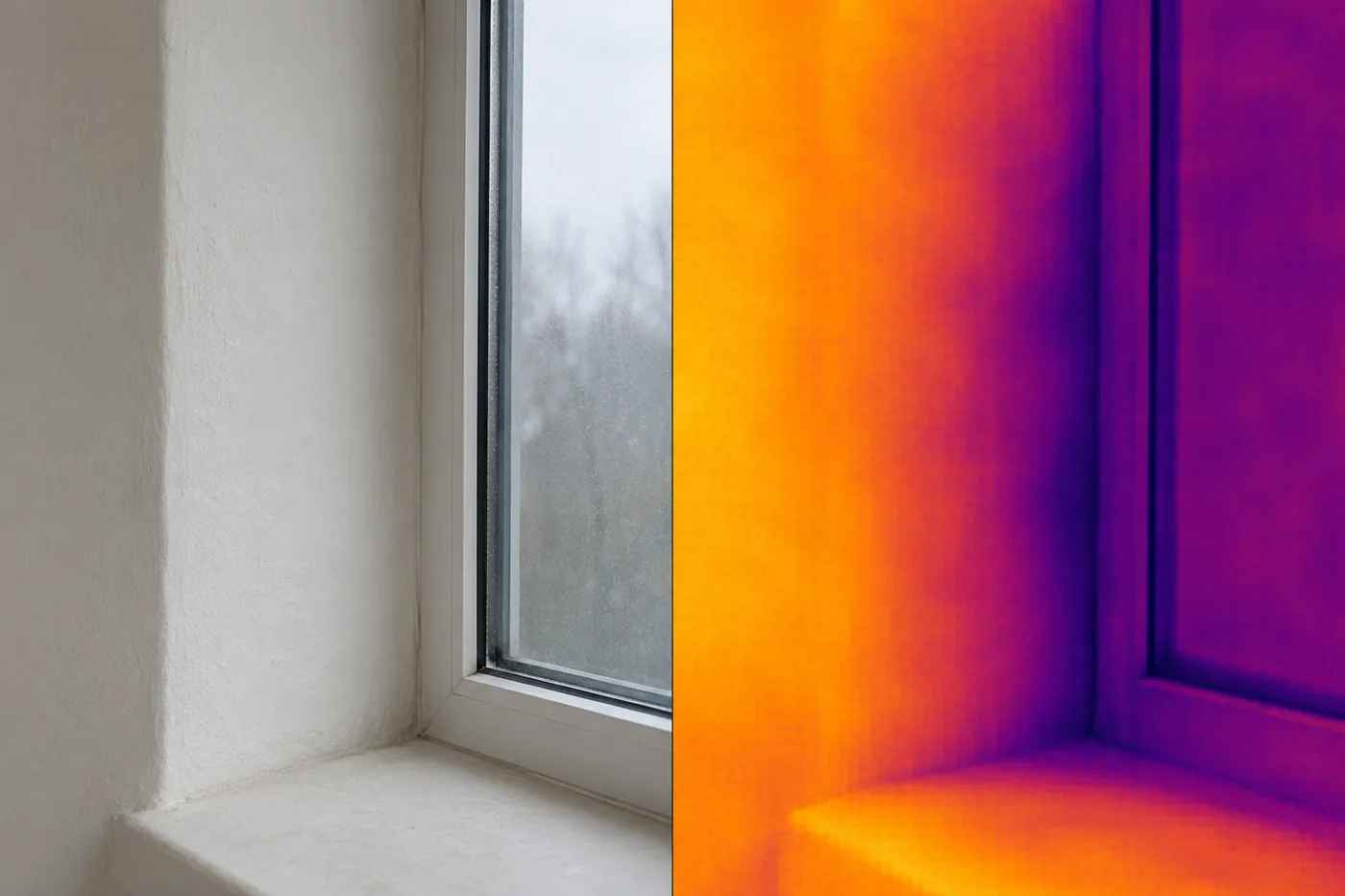
A cold stripe around a window shows where the surface was cooler. Check the glass edge, frame, plaster reveal and nearby wall as separate points. You need a like-for-like window and a separate observation of any moving air before deciding who to call.
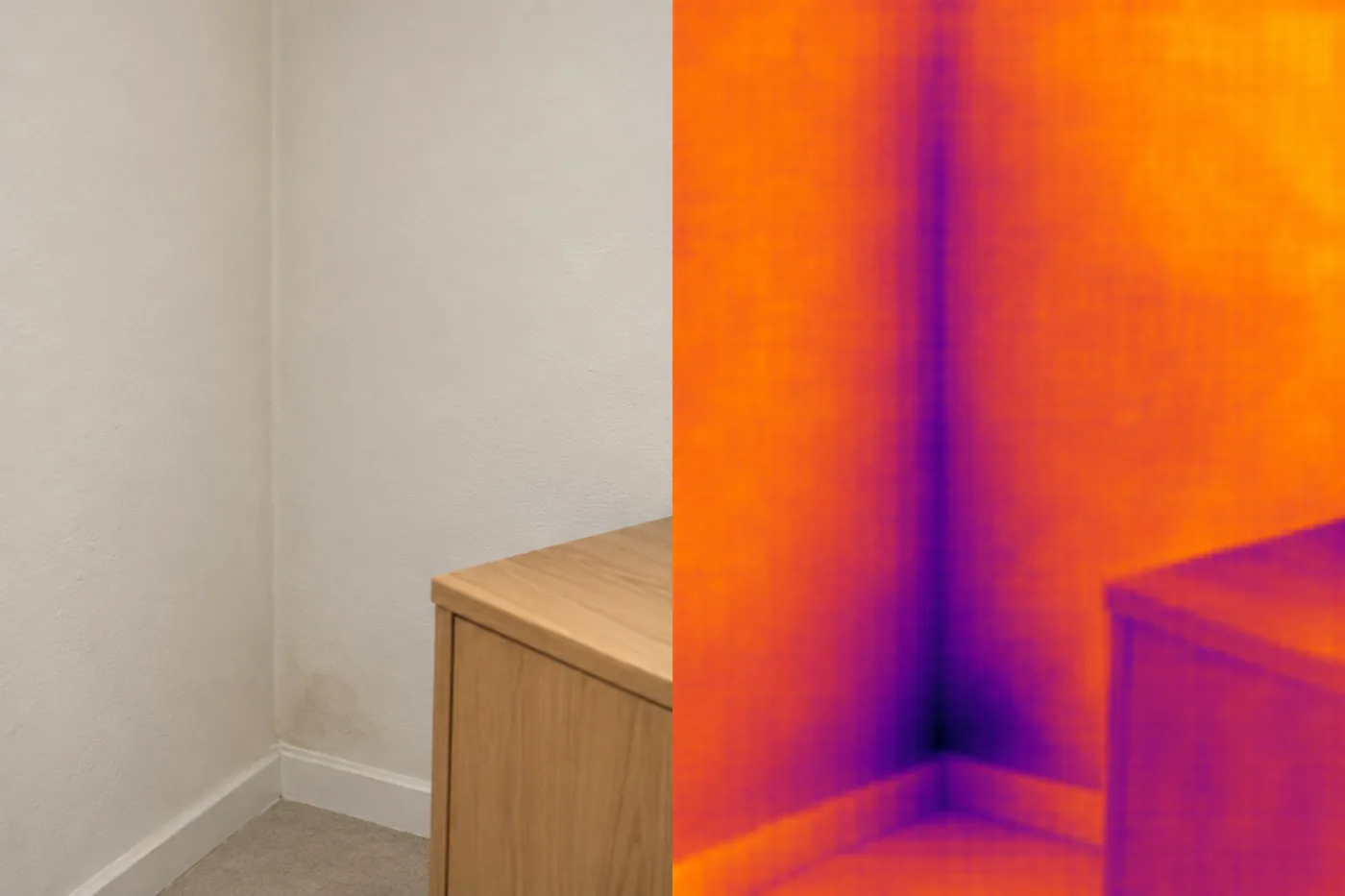
Homes & heat loss
Report visible mould or persistent damp when it appears. Start with a dated plain-light photo, the exact location and your observations. You can add thermal pictures, weather or readings as evidence becomes available.
Measurement
For a before-and-after comparison, use the same camera, lens, position, scale and surface settings. Keep one reference point untouched. Record the indoor and outdoor conditions on both days so you can see what changed with the job.
This published thermogram shows a Passivhaus building and its conventional neighbour. The colour scale maps the temperatures in this capture. When comparing your own photos, put both radiometric frames on the same scale and check that the surface and capture conditions match.
Compare two thermal images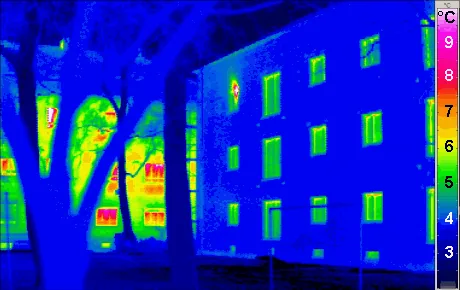
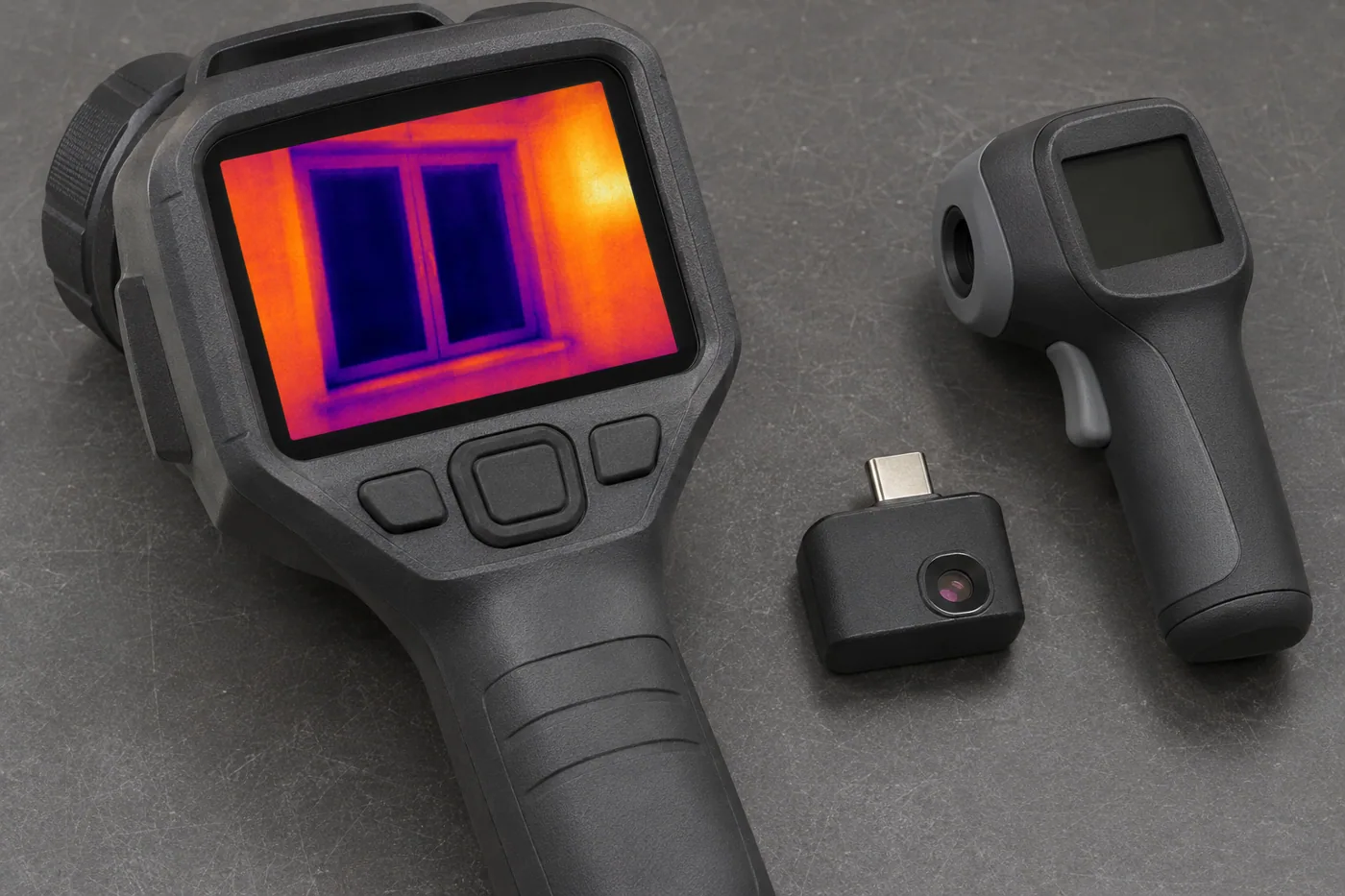
Thermal cameras, thermometers and instruments for checking room conditions.
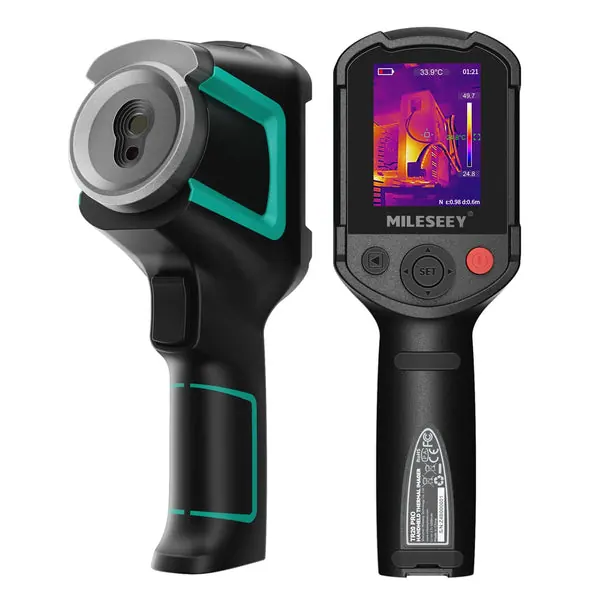
Compare native detector resolution, lens, app and the original-file workflow for this edition.
See exact listing at retailer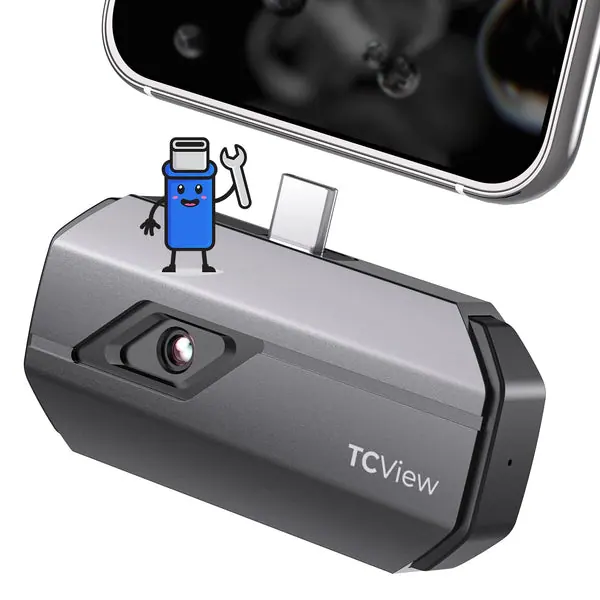
Compare native detector resolution, lens, app and the original-file workflow for this edition.
See exact listing at retailer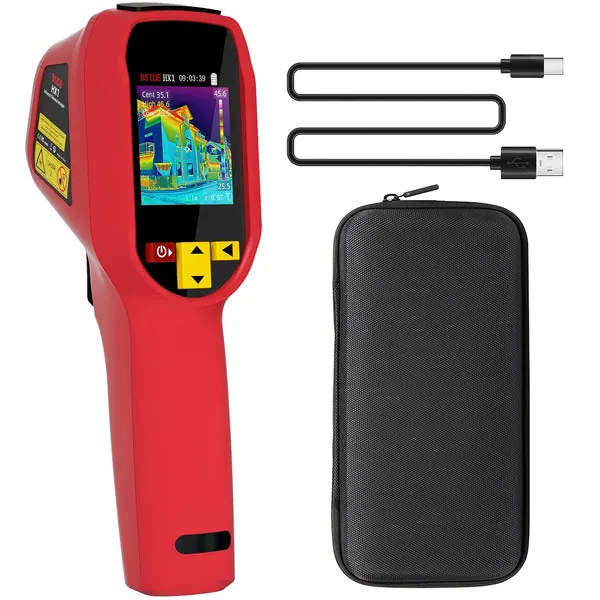
Compare native detector resolution, lens, app and the original-file workflow for this edition.
See exact listing at retailerA thermal image shows a surface-temperature pattern. Finding its cause takes a second kind of evidence.
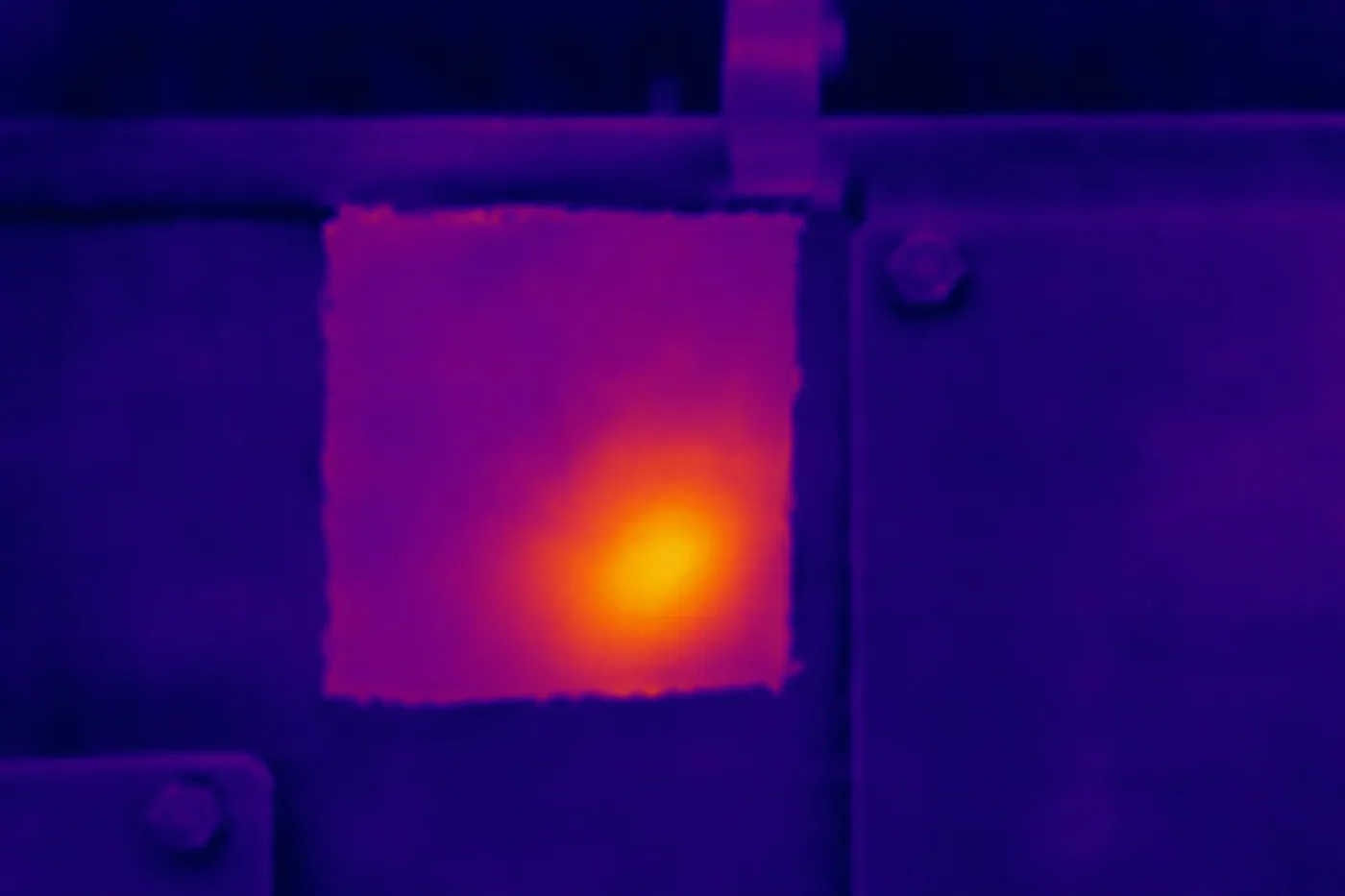
Focus, working distance and a steady view determine whether a warm blob can be linked to a particular component.
Choose a single reading for a known target, or an image when finding the pattern is the real task.
USB-C is the beginning of the compatibility question, not the answer. Check the camera variant, platform and evidence behind the claim.
Explore phone camerasSource-labelled records. No devices marked as tested by us.
Estimate the measurement spot of an infrared thermometer.
Geometry estimate only. Check the instrument’s optical diagram, minimum focus distance and stated energy coverage. A laser dot is not the measurement spot.
One set of measurement principles. Different questions at home and at the bench.
Read your home without jumping to a diagnosis.
Find small hotspots and understand what they mean.
Check the connector, software and whole workflow.
Choose for the job, not just the specification.
Make sense of distance, surfaces and temperature readings.
Our guides distinguish professional guidance, manufacturers’ statements and other authors’ tests. Unverified stays unverified.